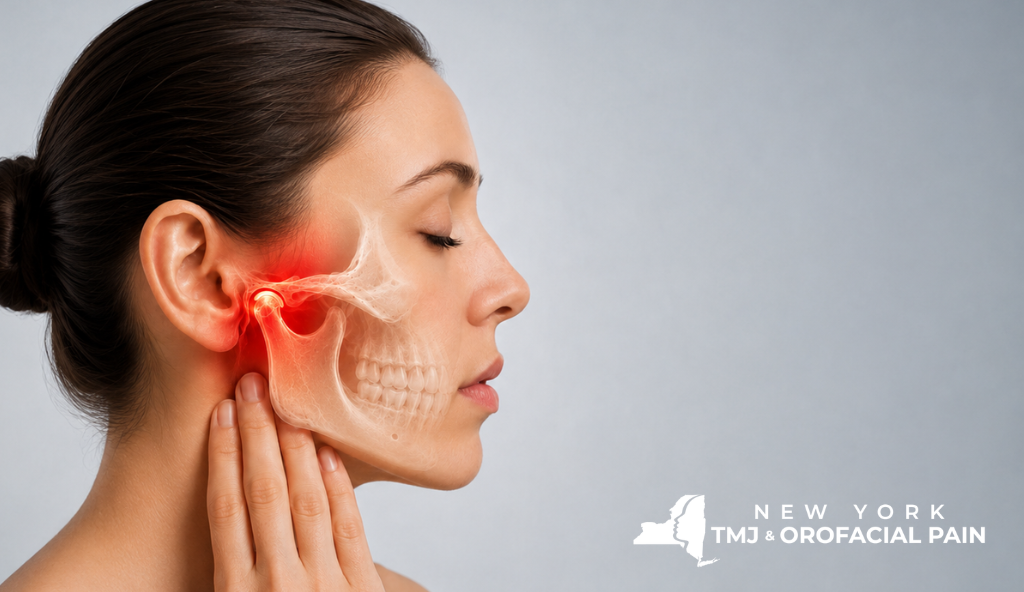
If you are experiencing symptoms like jaw pain and stiffness, TMJ disorder might be the problem. This disorder can have a significant impact on your physical and mental health. The condition generally worsens without treatment. A TMJ specialist is a trained and experienced professional who offers treatment for TMJ disorders. Continue reading to find out why going in for treatment is crucial.
TMJ disorder and the treatment options
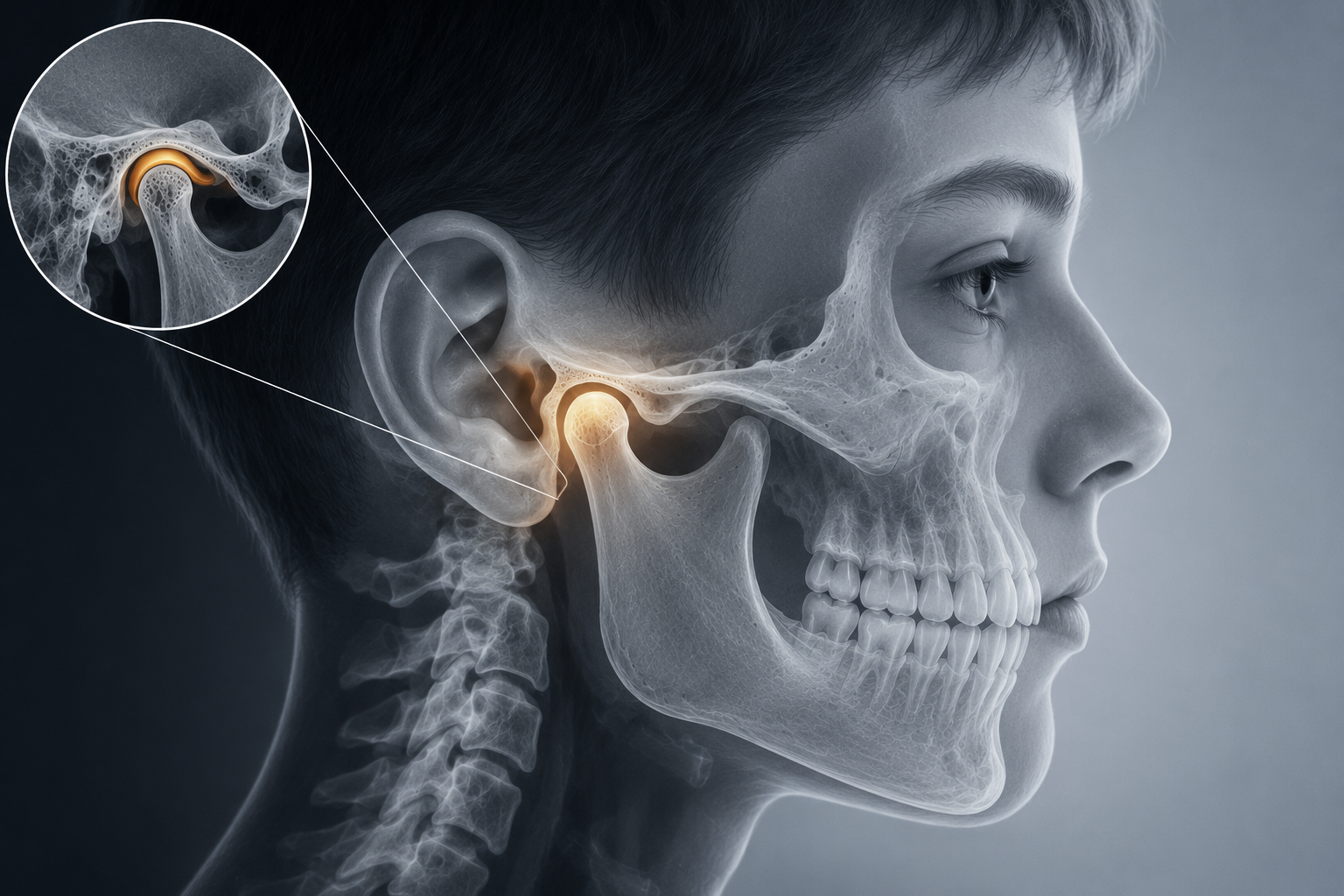
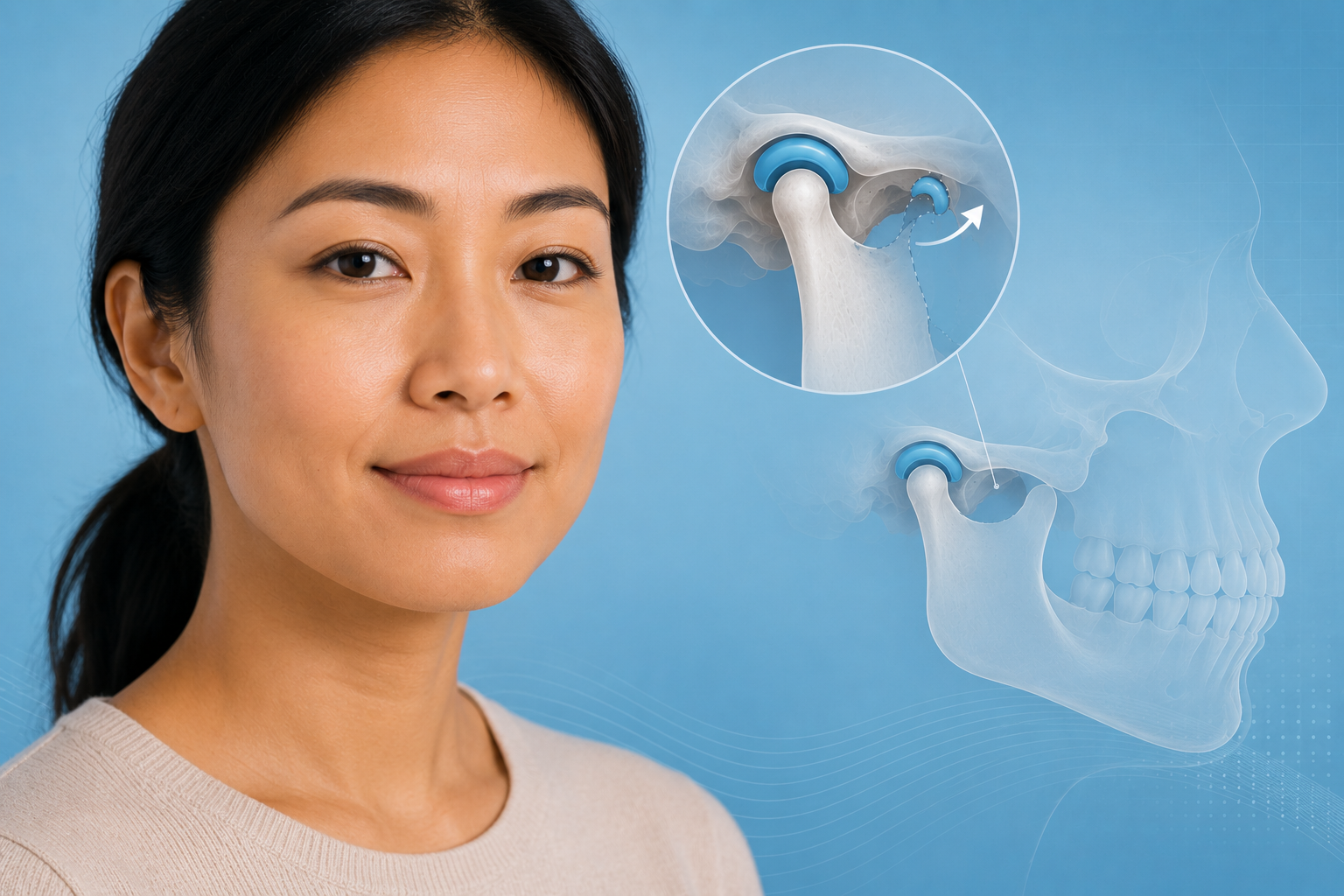
The temporomandibular joint (TMJ) is a complex joint that enables the jaw’s range of motion. The joint is one of the most used joints and is therefore prone to issues. Sometimes, the joint’s soft tissues may get inflamed. Aside from repeated usage, stress is another major cause of TMJ disorder. People tend to clench their jaw when feeling nervous or anxious, which only induces more stress on the joints.
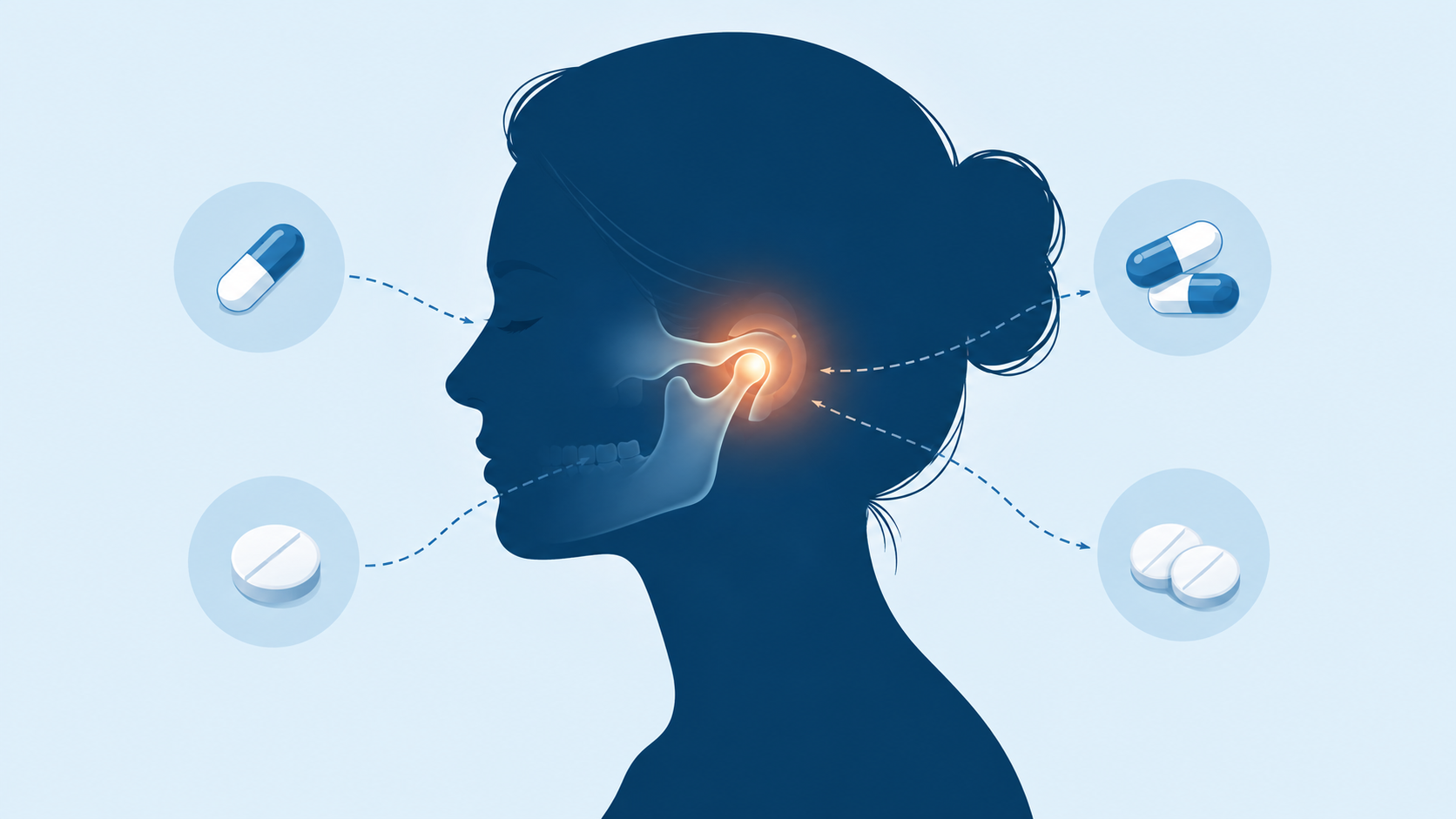
The TMJ specialist has different treatment options for the disorder. First, they will have a consultation session and examine the patient’s jaw, then they will recommend the best solution to the issue. The first choice is generally conservative, and patients will continue to visit for progress assessment so the doctor can determine if further care is required. Treatment options include oral splints, medications, stress management, and lifestyle adjustments. Corrective jaw surgery or minimally invasive surgery is only recommended in severe cases.
Reasons to seek TMJ treatment
Treating TMJ disorder is important due to its impact on health and quality of life. Reasons to seek help for the disorder include the following.
Relieve discomfort: Jaw pain is not the only TMJ disorder symptom. It can also result in neck pain, jaw stiffness, chronic headaches, and upper back pain. Jaw pain inhibits normal jaw functions, so activities like eating can become uncomfortable. Getting treatment relieves pain and restores normal functionality.
Minimize risk of dental damage: Bruxism and TMJ disorder are usually related. Teeth grinding can cause the disorder and vice versa. Chronic bruxism can cause enamel deterioration and teeth damage. Treating TMJ disorder may resolve the grinding habit and prevent further damage to the teeth.
Protect ear health: Serious cases of TMJ disorder can cause tinnitus or constant ear ringing. The ringing can disturb hearing and sleeping. While scientists are continuing to research the connection between the two conditions, treating TMJ almost always resolves tinnitus as well.
Improve overall health: TMJ disorder has been associated with many systemic health disorders, including chronic fatigue, sleep apnea, rheumatoid arthritis, dizziness, fibromyalgia, and Meniere’s disease. Also, it is uncertain what the link between these conditions is. However, treating the disorder can be necessary for resolving those health conditions and restoring general wellbeing.
Seek help from the TMJ specialist
TMJ disorder symptoms can have devastating effects on your health. The TMJ specialist will develop a personalized treatment plan to treat the condition and alleviate the accompanying discomfort. If you are suffering from the condition, you need to seek help as soon as you can. This prevents complications and ensures that you can benefit from minimally invasive treatment options.
If you or someone you know is experiencing persistent or acute pain in the face or jaw, we invite you to set up a consultation with one of our Orofacial Pain specialists in the NYC metropolitan area. Our office locations and contact information are below.