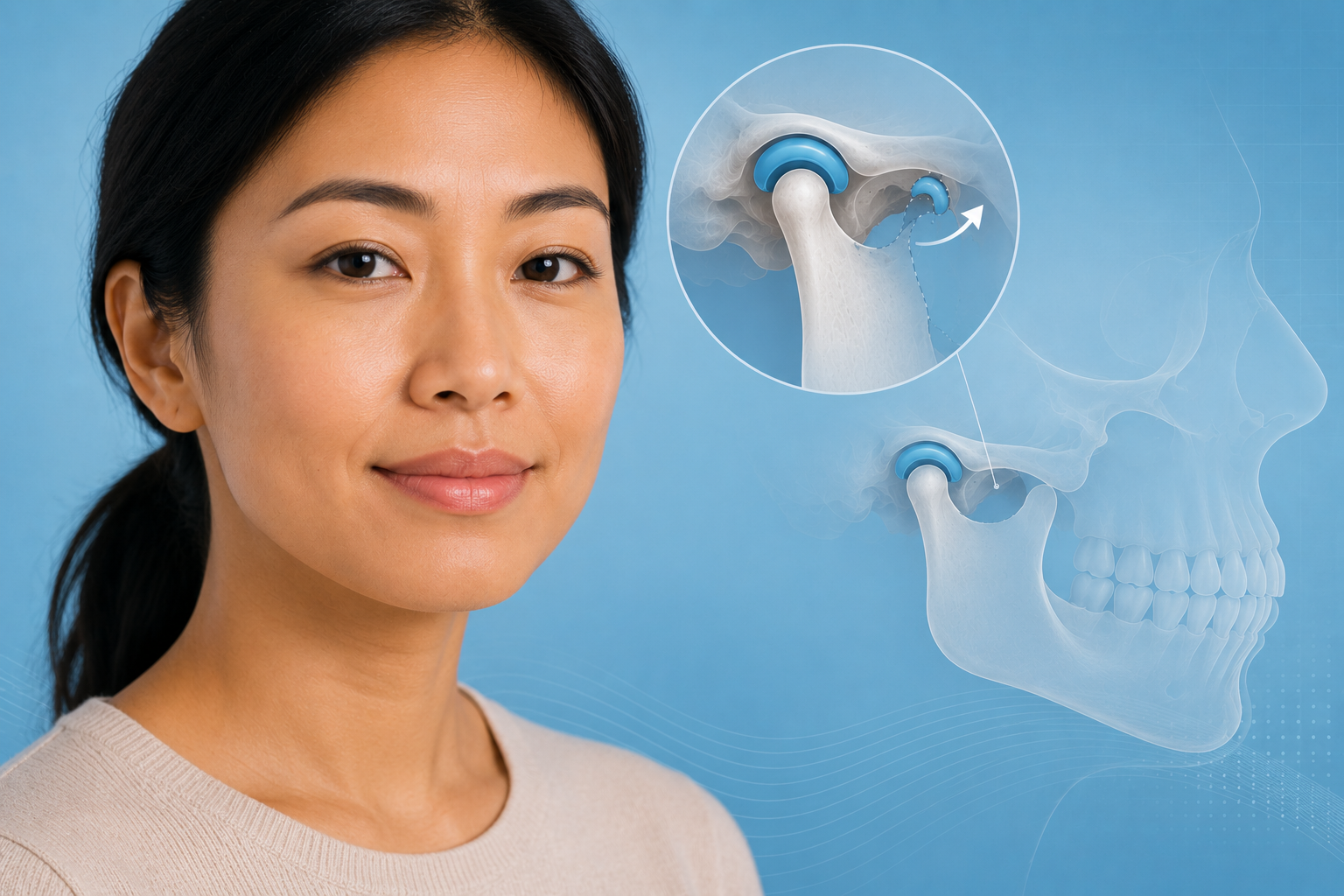
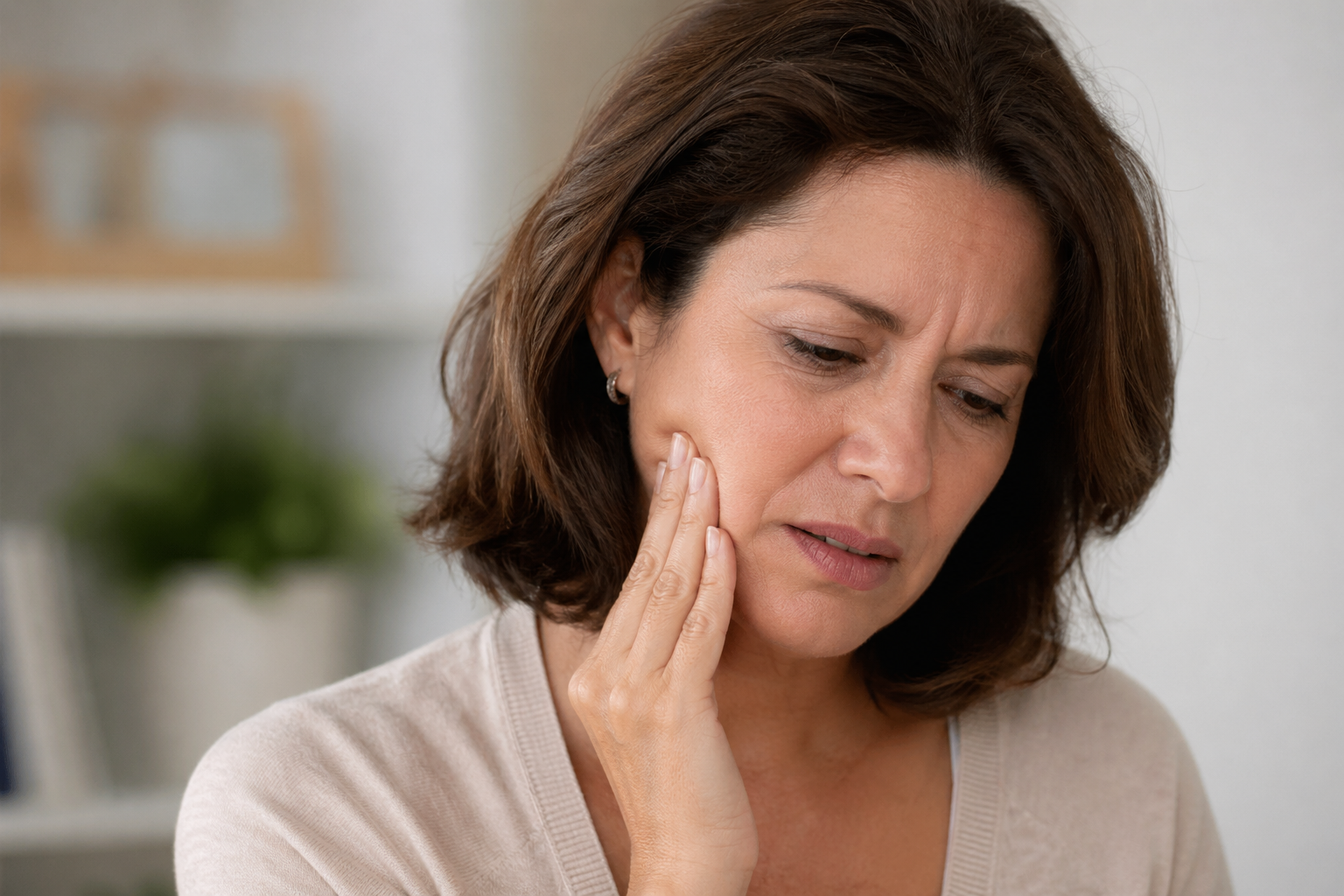
In the intricate workings of the human body, few conditions are more intertwined with biology, psychology, and neurology quite like TMJ (temporomandibular joint) disorders. As someone deeply entrenched in the study and treatment of TMJ disorders for over 4 decades, I’ve seen firsthand the disproportionate impact these conditions have on women.
At our practice, New York TMJ & Orofacial Pain, 77% of our patients are women. This figure intriguingly spikes to almost 90% among those opting for BOTOX® injections to combat severe jaw muscle pain.
Not Mere Statistics
These numbers are more than mere statistics; they help Orofacial Pain specialists like us understand gender-specific vulnerabilities and design targeted, effective treatments for our female patients. The research that’s been done into this gender bias has primarily focused on three areas:
- The Influence of Estrogen
- Psychological Factors
- Neurological Factors
Estrogen’s Critical Role
Estrogen has a critical role in reproductive health, but it also wields significant influence over TMJ symptoms. Fluctuations in estrogen levels punctuate women’s life events from menstruation to pregnancy to menopause. However, most people don’t know that these fluctuations can have a significant impact on the severity of TMJ symptoms.
This hormonally fueled modulation of pain perception and inflammation, coupled with its impact on ligament elasticity, intricately ties a woman’s hormonal rhythms to the functionality of their jaw joints.
Menstruation, Menopause, & Hormone Therapy
Estrogen levels fluctuate during menstruation, menopause and for those using hormone replacements or birth control pills, potentially making pain more pronounced. Many patients tell us that during the week leading up to menstruation and during menopause, they experience increased TMJ pain and dysfunction. Estrogen also reduces the strength of ligaments, making the ligaments in the jaw structure more flexible, which can cause injury to the TMJs. Jaw overuse behaviors such as awake or sleep bruxism, chewing gum, nail-biting, cuticle biting, and the like cause more TMJ dysfunction in women than in men.
Pregnancy’s Unique TMJ Challenge
During pregnancy, a woman’s body releases Relaxin, a hormone that prepares the body for childbirth (a good thing) but can intensify or trigger TMJ problems. This underscores the need for nuanced, compassionate care strategies that resonate with the body’s unique hormonal landscape during pregnancy.
The Mechanics of Muscle Fatigue
Jaw muscles respond to stress and strain in a unique way. Overuse behaviors can quickly fatigue them, producing lactic acid that causes pain and spasms. Moreover, the flexibility of the muscles, a trait more pronounced in women, may also be linked to jaw hypermobility – a common precursor to TMJ problems.
The Neurological Perspective
Finally, groundbreaking research has revealed that men and women process pain differently. Brain imaging techniques show differing patterns of brain activation in response to pain between women and men. Women have significantly lower pain thresholds than men and, therefore, typically seek care for TMJ-related symptoms more quickly. This spotlights the critical need for gender-aware TMJ specialists.
The Road Forward
It’s obvious why TMJ disorders disproportionately affect women. This knowledge enriches our practice’s understanding and cements our commitment to fostering hope and healing for women and everyone.
If you or someone you know is suffering, look for care at a practice that appreciates the gender-specific nuances of the experience.
Conclusion
At New York TMJ & Orofacial Pain, we provide compassionate, empathetic, and personalized care for people suffering from the often devastating effects of TMJ problems. Here, you’re not just a statistic but a participant in a shared quest for understanding, relief, and recovery.
We have four locations in the New York City metropolitan area staffed by experienced and caring board-certified Orofacial Pain specialists who will correctly diagnose your condition and create a treatment plan to help you feel better. Please call us to schedule a consultation at your nearest location (see below). If you live outside the NYC area, the American Academy of Orofacial Pain’s directory will help you find an Orofacial Pain specialist in your area.
You may also be interested in the following articles:
How To Evaluate Yourself For TMJ
Facial Pain – Is It Bruxism or Is It Bulimia?
Is Your TMJ Pain Actually A Migraine?