The Connection Between Pain And Sleep
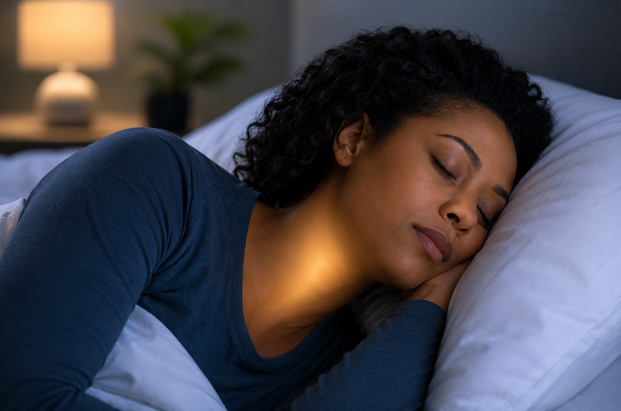
Over the last 10 to 15 years, there has been a great deal of research looking at the relationship between sleep and pain. As a result of these studies, it is now very clear that pain thresholds are significantly impacted by both the quality and quantity of your sleep.
If the quality and quantity of your sleep are compromised, your pain thresholds drop, which can lead to situations where pain is experienced in your muscles and joints on a daily basis. This is in spite of the fact that no clear evidence of joint or muscle injury exists. Rather, your pain is experienced as a result of normal activity and accentuated when muscles or joints are overworked.
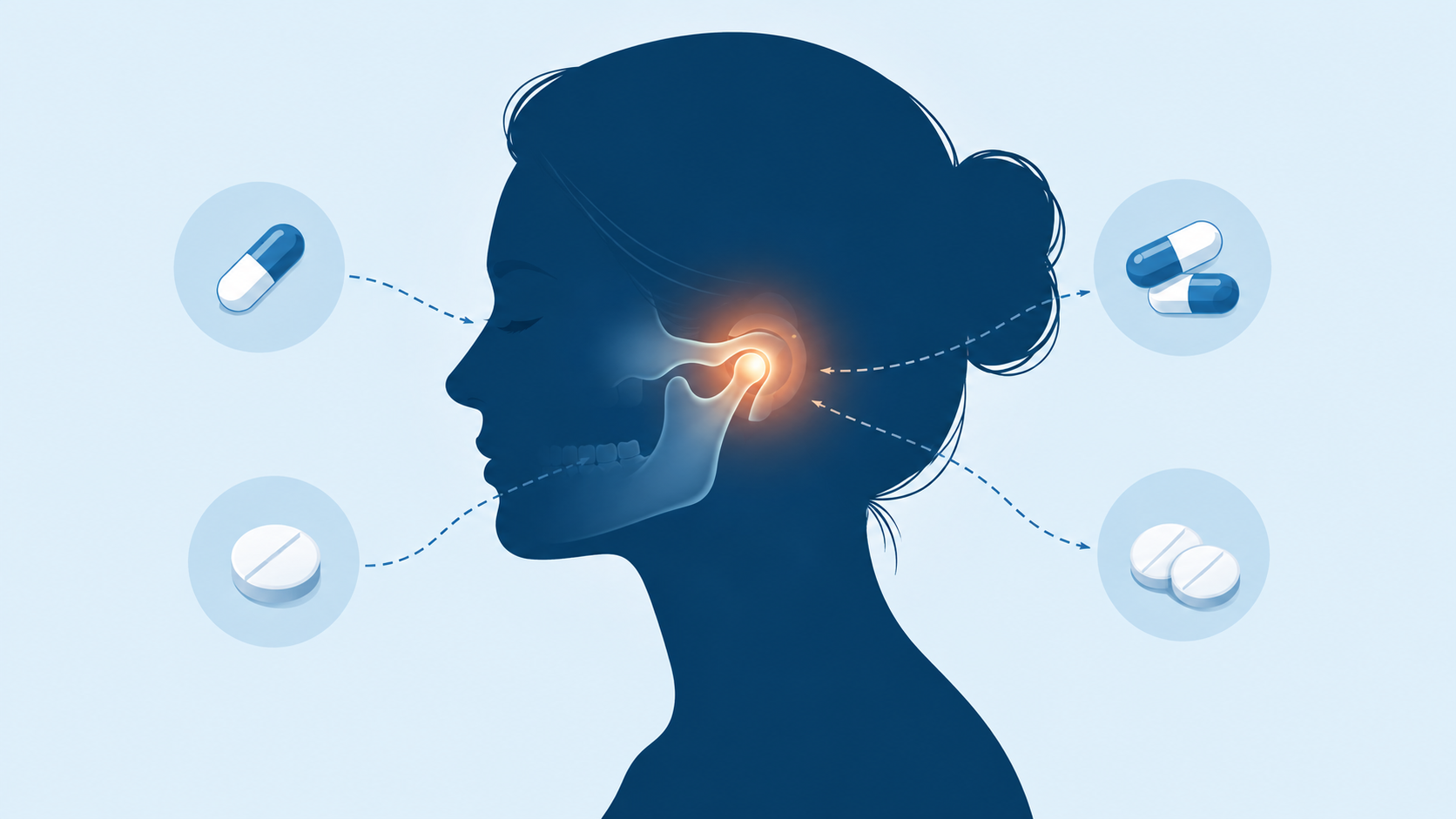
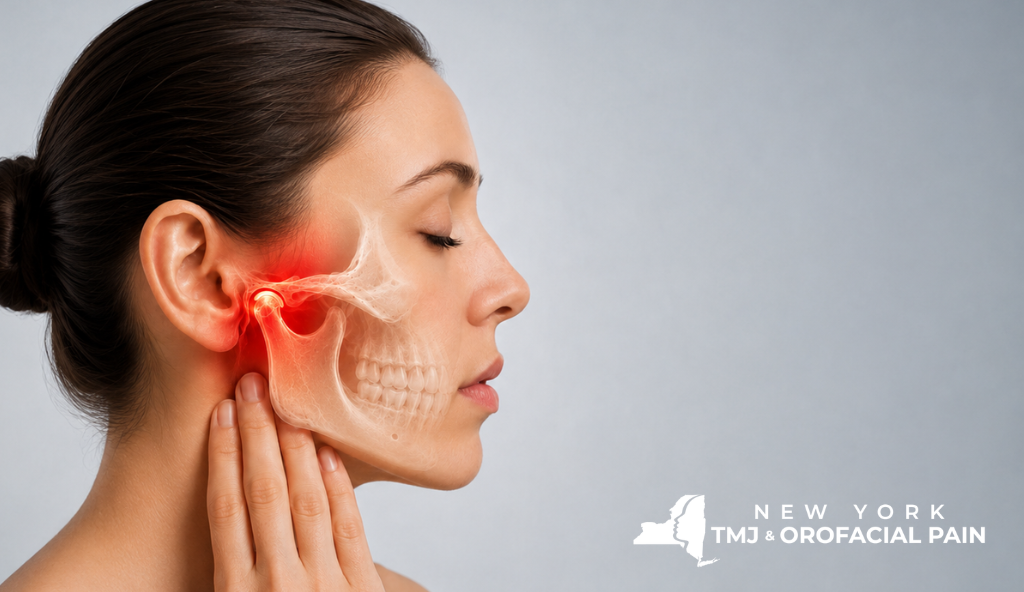
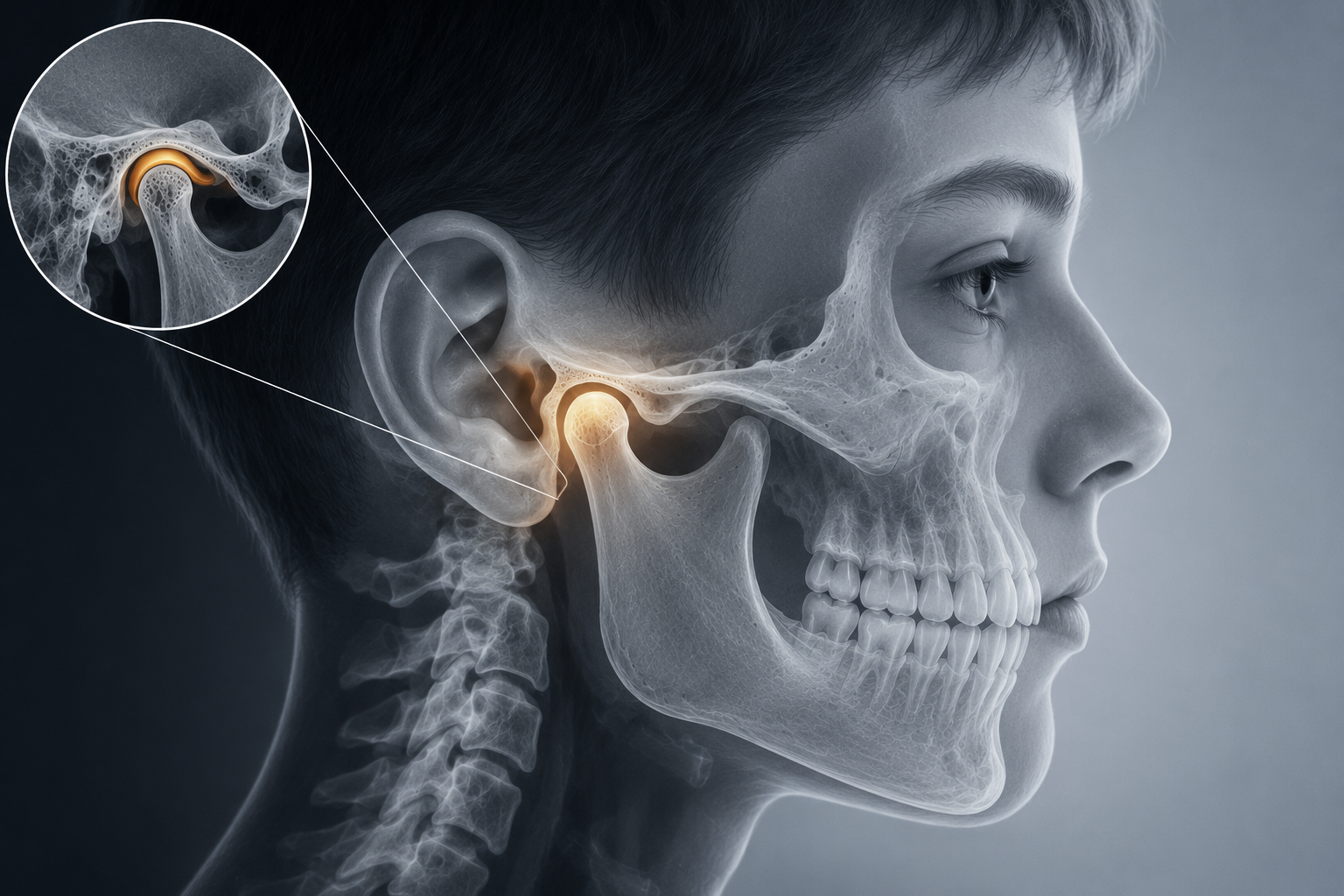
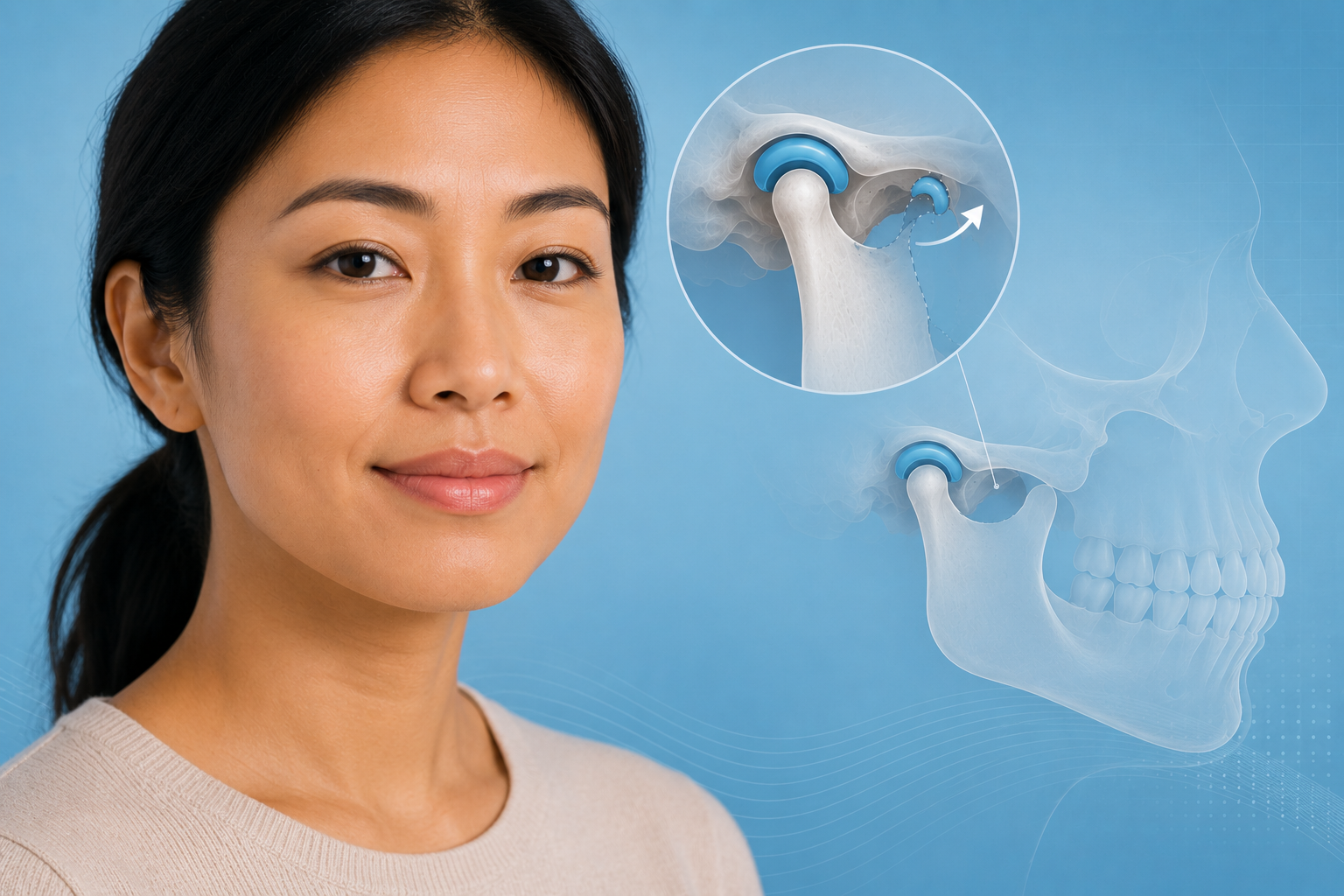
Many people who are seen in our office describe pain in their muscles and joints as a result of normal eating and even talking. This points to the possibility that the nerve endings in their jaw muscles and joints are operating at a low threshold and, therefore, they experience pain almost all the time. This is called allodynia: when normal stimulation generates pain. In addition, excessive jaw use from teeth clenching and grinding produces even higher levels of pain beyond what is normally expected. Poor sleep can lead to all of these TMJ symptoms.
If you have insomnia (the inability to get to sleep or stay asleep), your pain thresholds can drop significantly. You may experience morning headaches and/or an assortment of body pain symptoms during the course of almost every day.
Sleep quality is also impacted if you have airway difficulties. If you’ve been diagnosed with upper airway resistance or respiratory effort-related arousal, your pain symptoms are commonly in your head and neck region. Headaches and temporomandibular problems are very common in people with airway challenges. Many patients who grind and clench their teeth (bruxism) have been shown to have airway problems, and some are diagnosed with obstructive sleep apnea.
There is an association (not an absolute relationship) between fragmented sleep and the occurrence of grinding and clenching activity. If you wake up with sore or tight jaw muscles, it is likely a result of bruxism activity.
We will ask you many questions about your sleep history during the evaluation process. Most sleep problems can be helped in my office. If your problem is more complex, we will consult with a sleep professional to help you get on the road to feeling better.
If you or someone you know is experiencing persistent or acute pain in the face or jaw, we invite you to set up a consultation with one of our Orofacial Pain specialists in the NYC metropolitan area. Our office locations and contact information are below.