Originally published: October 28, 2020 · Updated: July 22, 2026
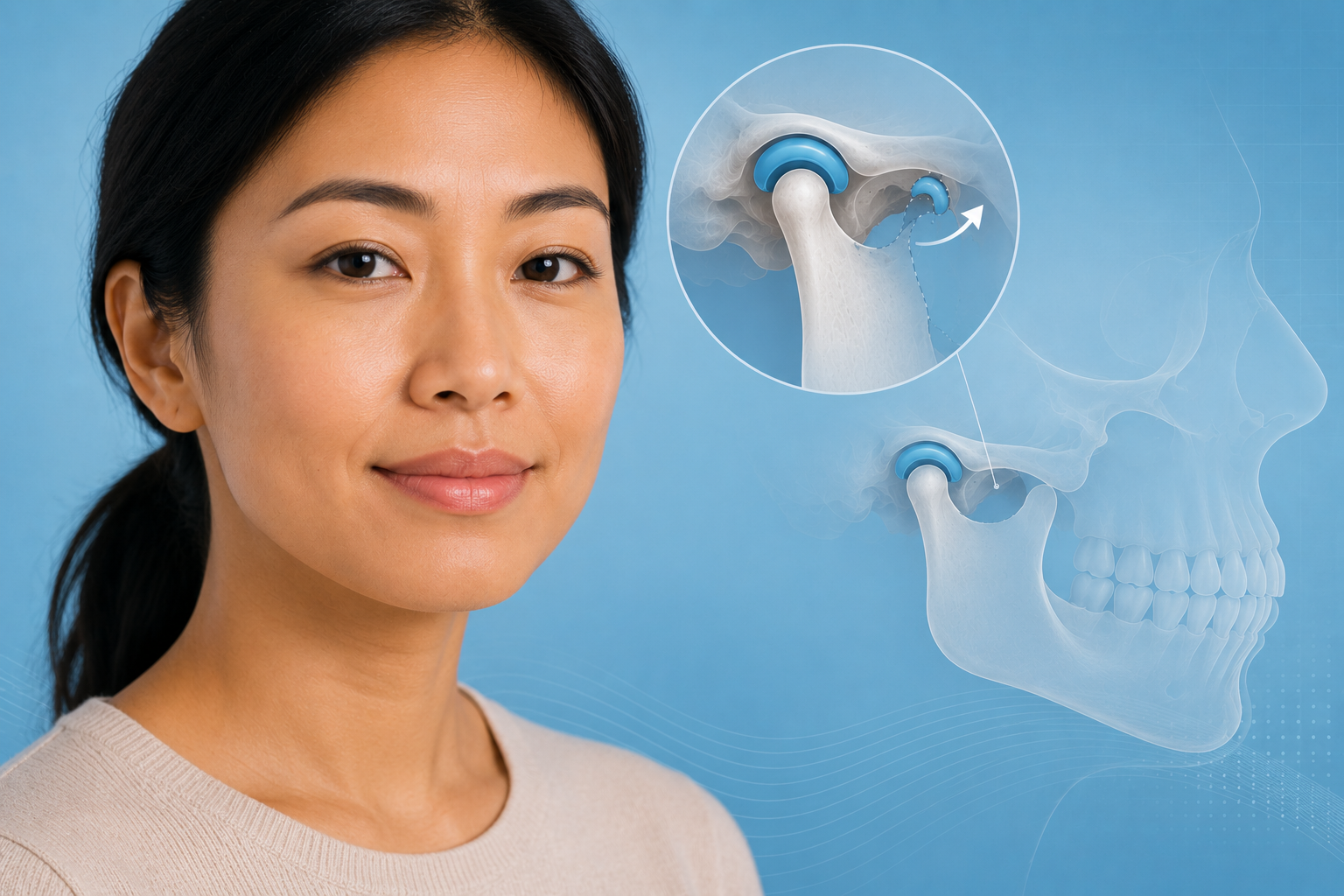
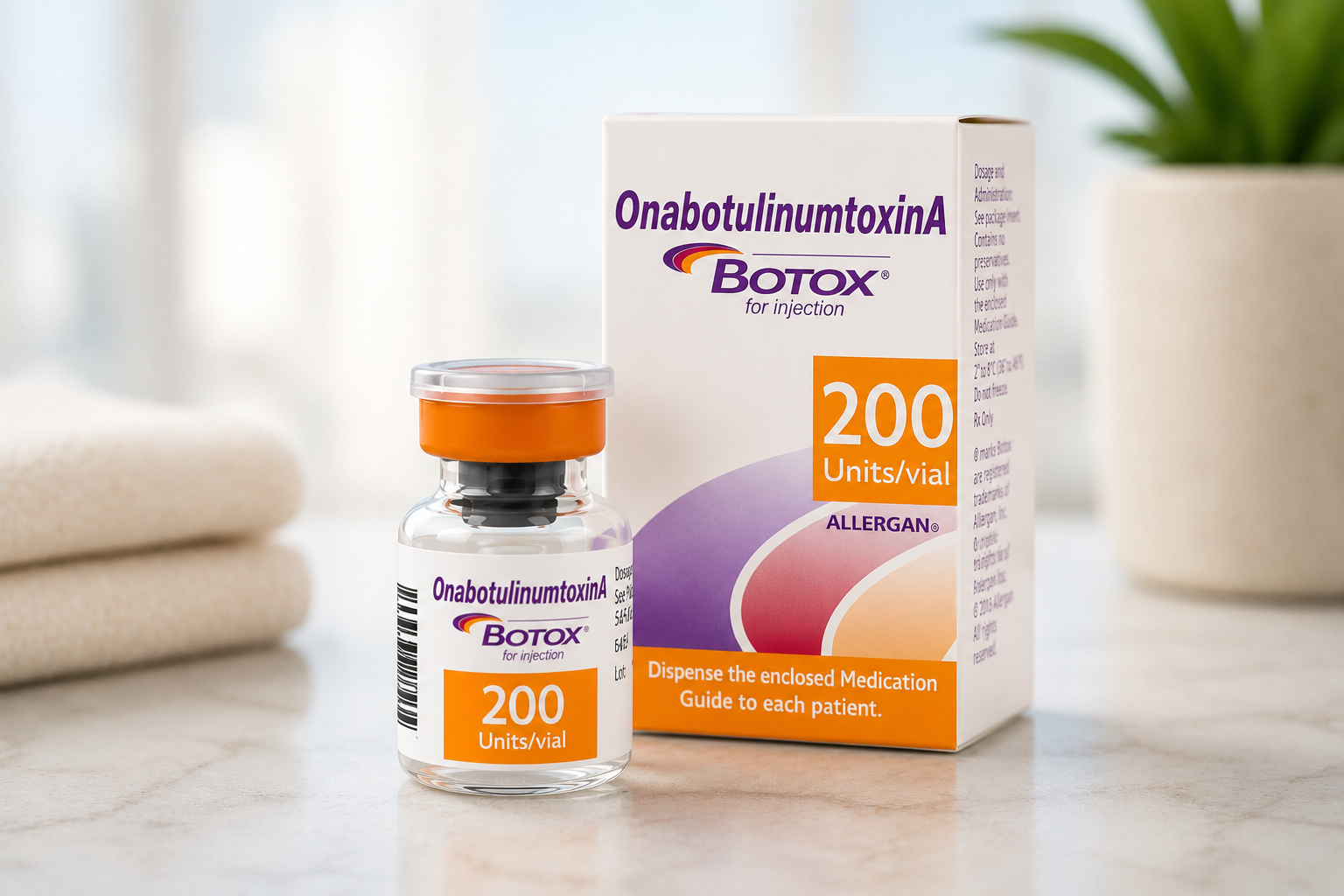
Botox for TMJ is an injectable treatment that relaxes overworked jaw muscles like the masseter and temporalis, reducing muscle tension and related pain for 3 to 4 months per treatment. It is not a cure and works best alongside other TMJ therapies, administered by a provider experienced in diagnosing and treating jaw muscle disorders.
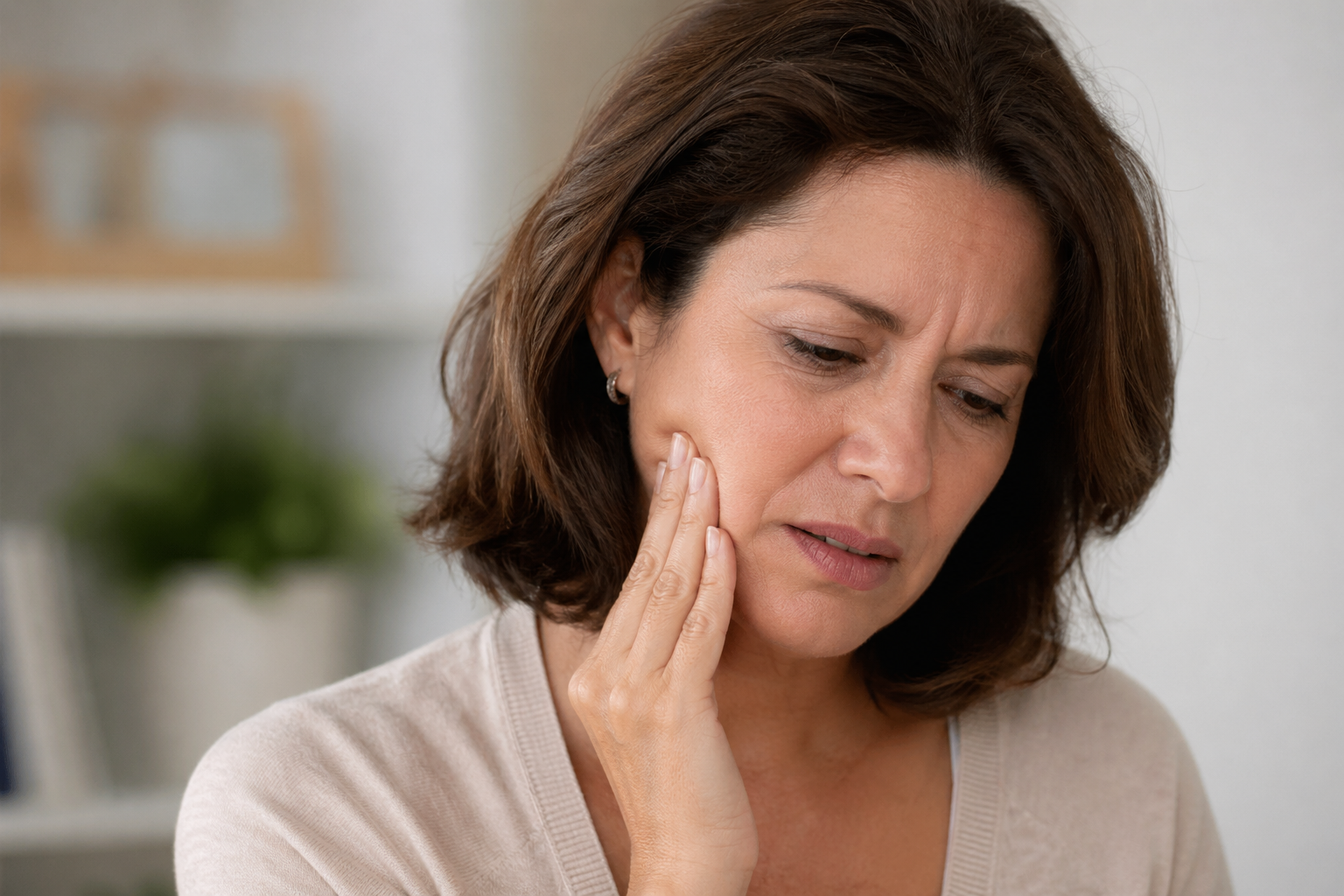
As an orofacial pain specialist and an expert in the treatment of temporomandibular disorder (commonly referred to as “TMJ”), many patients who seek my care have been suffering from persistent jaw pain, tightness, and soreness due to overstressed muscles, often for years. Tension in the masseter and temporalis muscles is at the root of this disorder and can be caused by several factors, with bruxism being the most common.
If you’re considering Botox injections for your TMJ, there are a few things you should know.
Bruxism comes in two forms: awake bruxism and sleep bruxism. Awake bruxism is excessive contact of the teeth during the day. Your teeth should never be in frequent contact during waking hours. Consistently clenching or grinding your teeth while sleeping is called Sleep Bruxism.
Orofacial pain specialists like myself have been carefully turning to Botox injections for TMJ problems of muscle origin for the last few years. While Botox injections were initially approved to reduce facial wrinkles and frown lines, the medical community has recognized its use to help patients who have migraines and other conditions, including TMJ. If you’re considering Botox injections for your TMJ because nothing else has worked, here’s what you need to know and understand:
7 Things To Know If You’re Considering Botox Injections For TMJ
1. Botox Reduces Muscle Contraction
When injected into the jaw muscles, most commonly the masseter and temporalis, Botox reduces their ability to contract fully. During the 3-4 months after your injections, your jaw muscles will exert a lower amount of force than normal. While your brain may be telling your muscles to contract with full force, as long as the Botox is active, they simply can’t.
Importantly, the goal is not to paralyze the muscles completely, but to reduce their force to a more manageable level. The dose is carefully calibrated so that you can still chew and speak normally. Patients sometimes worry this won’t be the case.
2. Botox Can Provide Some Pain Relief
When Botox is injected into muscles, it causes them to relax, and less lactic acid and other pain-producing chemicals accumulate. As a result, the nerve endings within the muscle tissue become less irritated and send fewer pain signals to the brain.
At the same time, Botox also directly reduces the release of pain-producing chemicals (neurotransmitters) by the nerve endings in the muscles. That’s one of the reasons why Botox reduces pain in migraine sufferers.
It’s worth noting that the full pain relief mechanism is not completely understood, and results vary from person to person. This is consistent with a 2024 peer-reviewed research review, which found Botox more effective than placebo but with mixed results across studies. Setting realistic expectations before treatment begins is an important part of the process.
3. Botox Stays Where It’s Put
When injected by a trained clinician using proper volume and technique, Botox will not typically diffuse into neighboring tissues.
To treat TMJ disorders associated with painful and often overworked jaw muscles, Botox injections typically go into the masseter and temporalis muscles, the muscles responsible for closing your jaw and that are overworked during clenching and grinding. Botox is sometimes also injected into the lateral pterygoid muscles, which allow you to open your mouth and move your jaw from side to side.
4. Botox Is Not A Stand-Alone Treatment For TMJ
TMJ problems are not all about painful muscles. There are a wide variety of problems under the TMJ umbrella leading to symptoms such as joint clicking and locking. These are usually caused by loose ligaments and changes in the position of the shock-absorbing disc in the temporomandibular joint. Botox injections do not predictably help these problems, nor can Botox minimize inflammatory pain within the joints themselves.
Locking, clicking, and disc problems require a different level of care. An accurate diagnosis is absolutely necessary before Botox injections are considered.
When chosen, Botox is commonly complementary to other TMJ treatments such as patient education, self-care, medication, oral appliances, other injection therapies, exercises, relaxation techniques, and physical therapy. These treatments are often designed to address the origins of the jaw problem, the underlying drivers such as stress, parafunctional habits, sleep disorders, and bite relationships, something Botox commonly does not do. This is very important to understand if you’re considering Botox injections for your TMJ.
5. Botox Injections Should Be Administered By A Healthcare Provider Who Has A True Understanding of TMJ Problems
Knowing how to inject Botox is only part of the equation. The practitioner doing the injecting must fully understand how the jaw works, the risk factors that lead to muscle pain and overdevelopment, and how a patient’s bite relationships relate to their jaw muscles. A trained dentist or dental specialist is likely best equipped to answer these questions and provide the education needed to support treatment results.
Equally important is that the provider monitors your outcomes over time. Botox for TMJ is not an injection-and-send relationship. Results need to be tracked, and the broader treatment plan adjusted accordingly.
6. Botox Injections For TMJ Are Not (Usually) A Once-And-Done Therapy
Most people who end up having Botox injections for TMJ have been suffering for many years. One series of injections alone will rarely, if ever, solve the problem. Many patients who find relief after the first series can see their symptoms return, particularly if the underlying risk factors have not been identified and addressed.
That said, some patients do achieve longer-term relief once those risk factors are brought under control, so the outlook is not always discouraging. If you’re considering Botox and planning for only one series of injections, you may be disappointed, but with a comprehensive approach, meaningful improvement is achievable.
7. Botox Injections Can Give You A Slimmer Jawline
Botox is becoming an accepted option for people who are unhappy with the shape of their jaw. If your masseter muscles are enlarged due to bruxism or daily habits such as gum chewing, Botox injections can be helpful in slimming their appearance.
After a series of injections, the muscle fibers shrink from reduced use, and over time the muscle tissue is partially replaced by fat, a well-documented process called fatty infiltration of atrophied muscle. This is what produces the slimming effect. Along with this change, Botox can also weaken the muscles, making chewing more difficult in some cases. This is another reason why treatment by a trained and experienced provider is so important.
Botox: A Tool, Not A Cure
Botox injections for TMJ are not a cure. They are, however, a vital tool for orofacial practitioners like me. If your doctor or dentist has tried everything, and you’re still suffering, Botox may be your next step. Make sure that the person who administers your injections is highly knowledgeable, skilled, and trained in using Botox injections for TMJ.
Choose carefully.
A Note On Potential Side Effects
Like any medical treatment, Botox injections carry potential side effects, and being informed helps you make the best decision for your care.
Temporary difficulty chewing can occur, particularly if higher doses are used in the masseters. Asymmetry is possible if injection placement or muscle response is uneven between sides, and in rare cases Botox can spread to adjacent muscles if volume or technique is not carefully controlled. Soreness at the injection site in the days following treatment is common and typically resolves on its own.
One area of ongoing research involves changes in jaw bone density. Emerging research in animals suggests that reducing masticatory muscle load over time may affect the underlying bone. This has not been definitively established in humans, but it is worth discussing with your provider, particularly if you are considering repeated injections over many years.
An open conversation with your provider about these risks, and how they apply to your specific situation, is an essential part of the treatment process.
(Learn more here: All About Botox For TMJ)
ARE YOU EXPERIENCING JAW PAIN OR OROFACIAL PAIN IN THE NYC METROPOLITAN AREA?
If you’ve been weighing Botox for your TMJ because other treatments have not given you lasting relief, the next step is an accurate diagnosis from a specialist who treats jaw muscle and joint problems every day.
New York TMJ & Orofacial Pain specializes exclusively in diagnosing and treating TMJ disorders and orofacial pain. We take the time to identify the true cause of your symptoms and build a treatment plan, which may or may not include Botox, that directly addresses it.
We have 4 locations: Midtown Manhattan, White Plains, Hauppauge, and Springfield, NJ.
CONTACT US TODAY TO SCHEDULE A COMPREHENSIVE EVALUATION. →
About the Author
Dr. Donald R. Tanenbaum is a board-certified specialist who has dedicated his 40-year career to diagnosing and treating Orofacial Pain, TMD/TMJ, headache, and sleep-related breathing disorders. He practices in our Manhattan and Hauppauge offices.
What to Expect at Your First Visit →
Frequently Asked Questions About Botox For TMJ
What does Botox do for TMJ?
Botox reduces the ability of the jaw muscles, primarily the masseter and temporalis, to contract fully. This lowers muscle force for about 3 to 4 months per treatment without fully paralyzing the muscles, so normal chewing and speaking remain possible.
Can Botox relieve TMJ pain?
In many cases, yes. Relaxing the injected muscles can reduce the buildup of pain-producing chemicals and lower the release of pain-related neurotransmitters, though the full mechanism is not completely understood and results vary from person to person.
Is Botox a stand-alone treatment for TMJ, or does it need to be repeated?
Botox is not a stand-alone treatment. It does not reliably address joint problems such as clicking, locking, or disc issues, and it does not treat underlying drivers like stress, parafunctional habits, sleep disorders, or bite relationships. One series of injections also rarely solves the problem on its own, so most patients need ongoing treatment alongside other TMJ therapies.
Who should administer Botox injections for TMJ?
A healthcare provider, ideally a trained dentist or dental specialist, who understands how the jaw works, the risk factors behind muscle pain, and how bite relationships affect the jaw muscles, and who monitors outcomes over time.
What are the potential side effects of Botox for TMJ?
Possible side effects include temporary difficulty chewing, facial asymmetry, spread of the product to nearby muscles, and soreness at the injection site. Ongoing research is also looking at possible effects on jaw bone density over time.
Where can I find a Botox for TMJ specialist near me in New York or New Jersey?
New York TMJ & Orofacial Pain offers board-certified orofacial pain specialists experienced in Botox for TMJ, with locations in Midtown Manhattan, White Plains, Hauppauge (Long Island), and Springfield, New Jersey, serving patients across NYC, Long Island, Westchester County, and New Jersey.