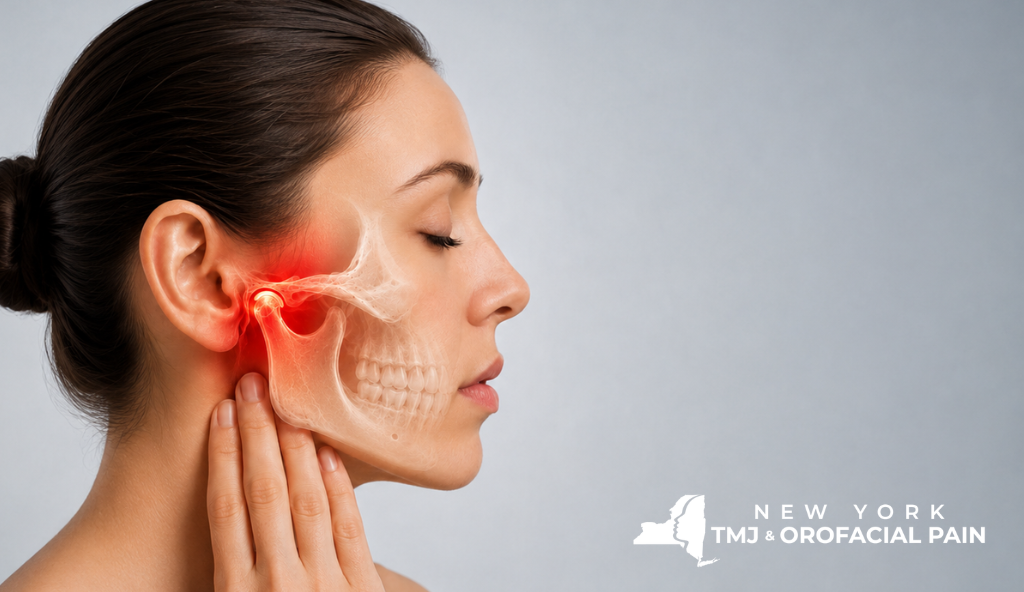
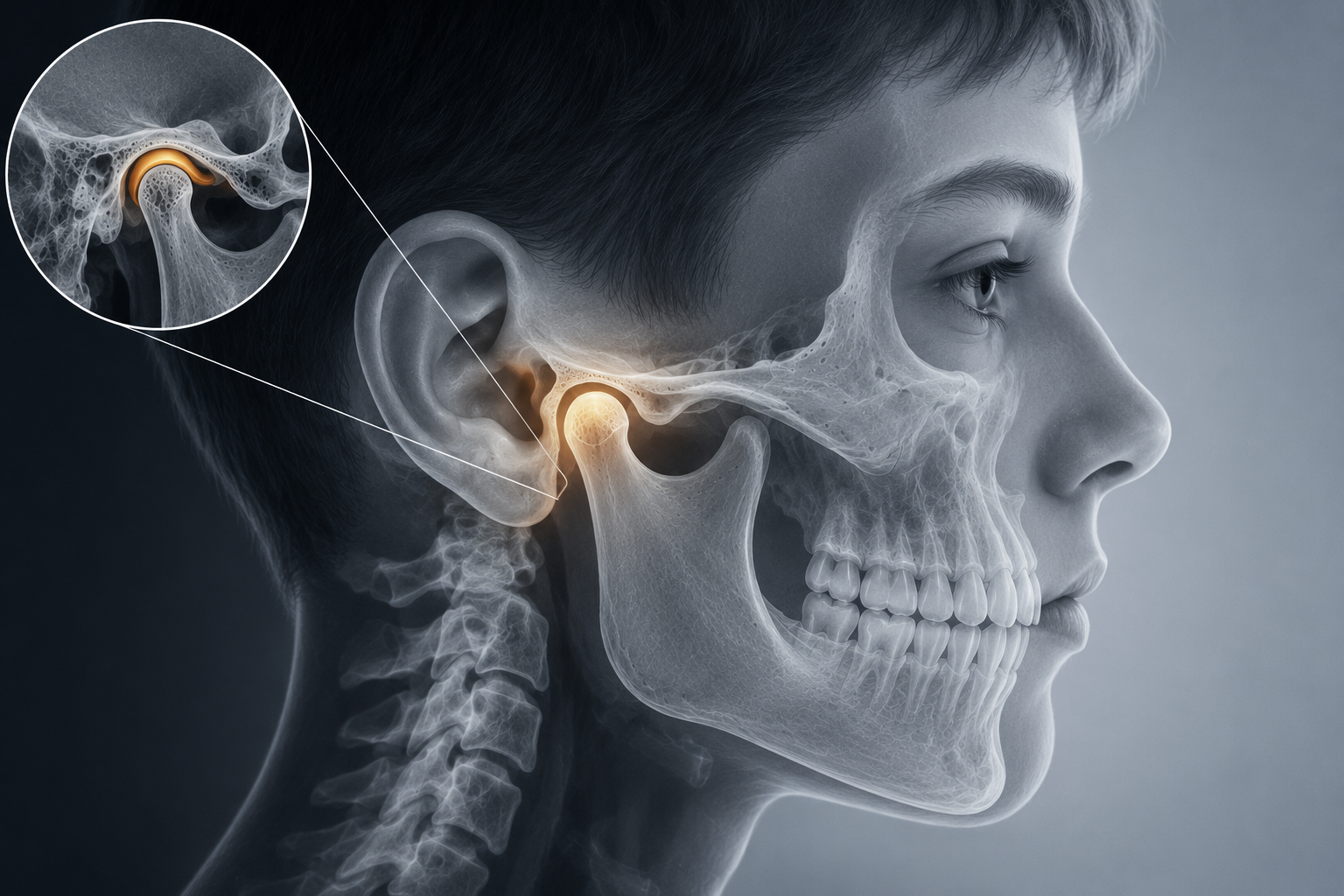
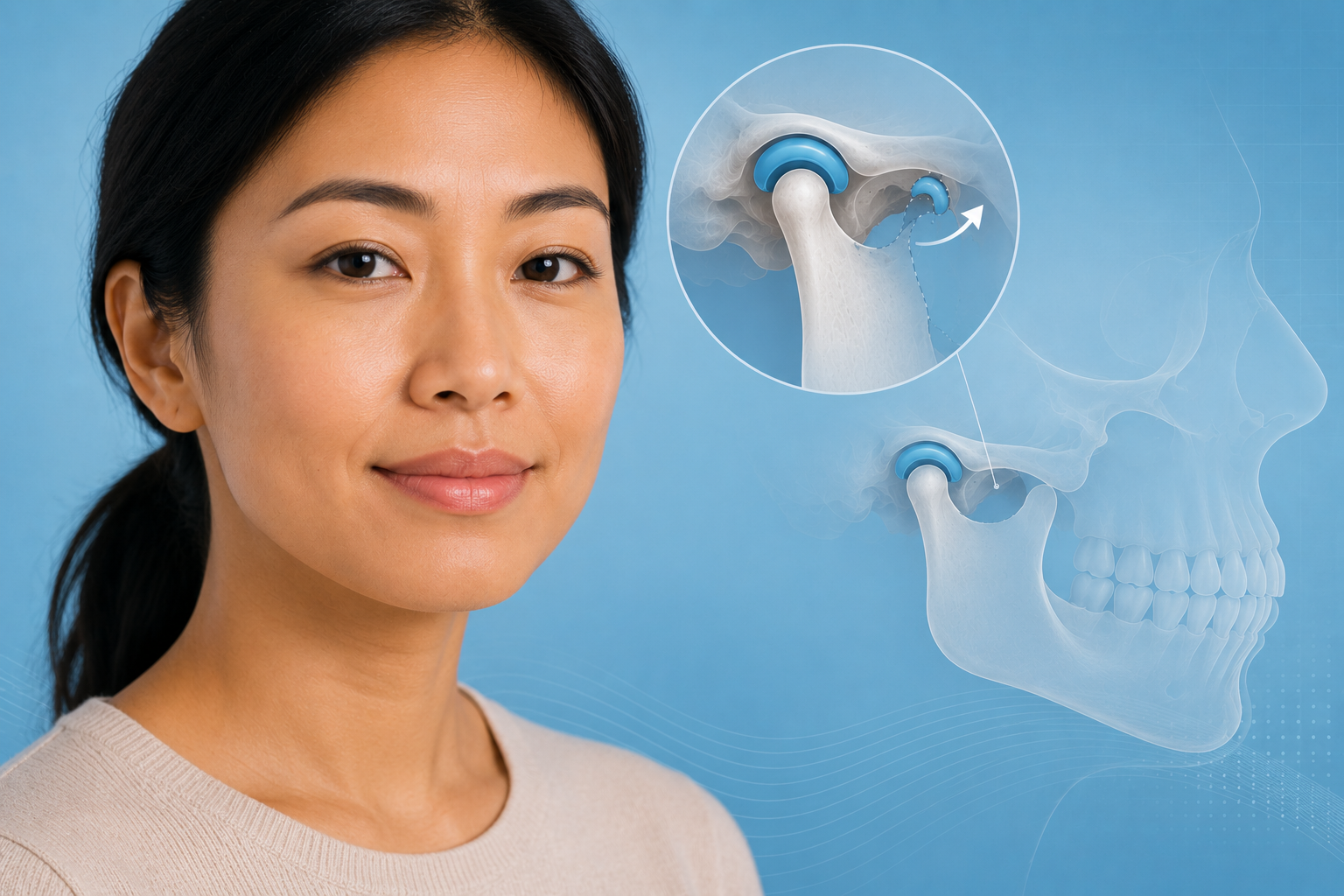
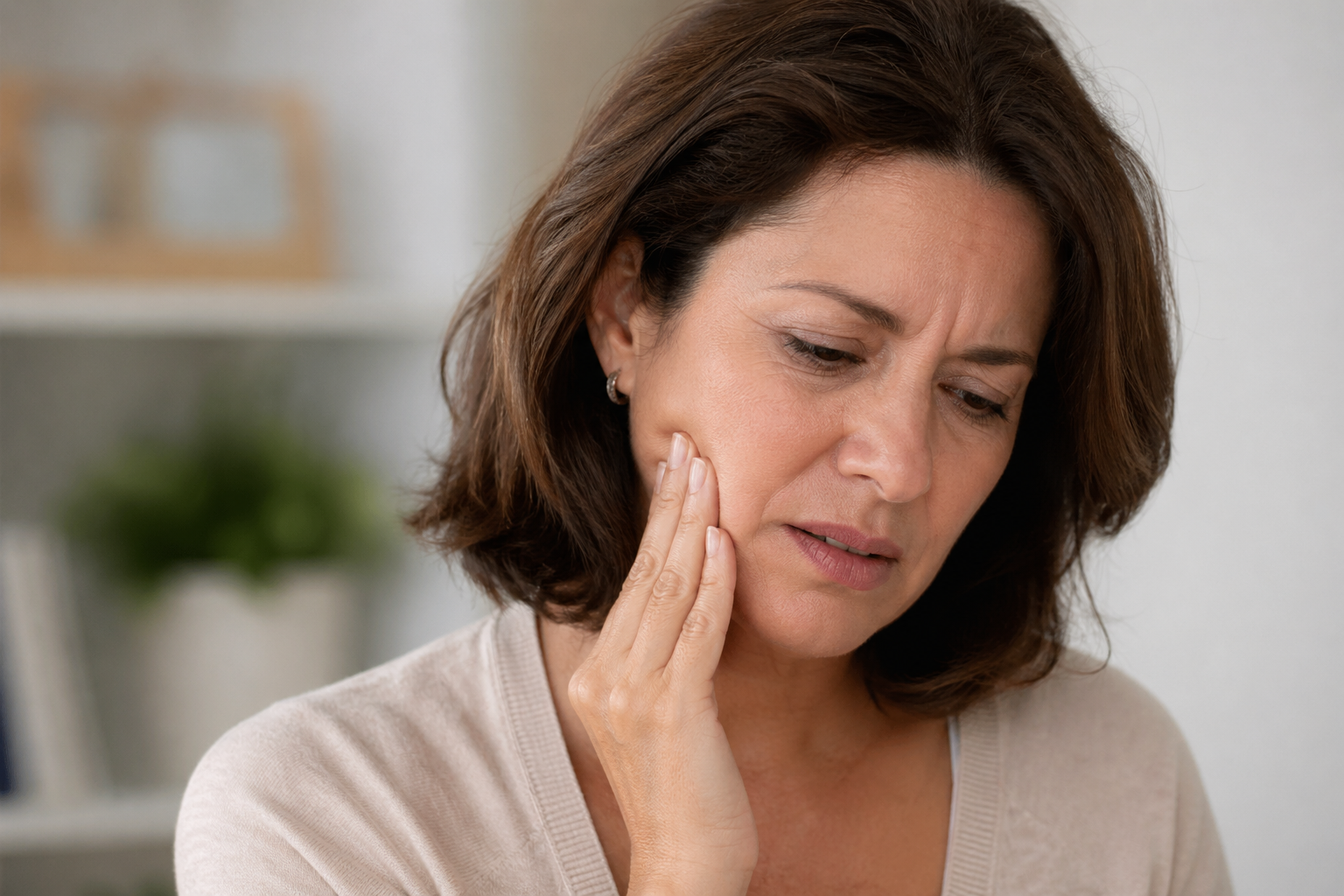
Tooth grinding (also called bruxism) is a real problem for thousands of people. It can wear down teeth, loosen teeth, and even cause severe jaw muscle and TMJ pain. At times clicking and locking of the TMJs (Temporomandibular Joint) can result from long-term bruxism. If you think you have this problem you have probably asked yourself “Why do I grind my teeth at night?”
Research suggests that tooth grinding is likely to occur if the brain becomes aroused during sleep. There are two stages of sleep during which Bruxism is most likely to take place. These include Stage 2 Sleep, which is one of the first and lighter stages of sleep and lasts approximately 20 minutes and REM (Rapid Eye Movement Sleep). Most dreaming occurs during REM.
Here are some of the suspected reasons for brain arousal (and therefore teeth grinding) during sleep:
-
- Insomnia – Individuals who have a hard time getting to sleep or staying asleep seemingly experience bruxism more often than those who don’t.
-
- Sleep Apnea and Snoring – There is some evidence that in people who have obstructive sleep apnea (breathing stops while sleeping due to airway obstruction, prompting the brain to be aroused) that tooth grinding frequency increases.
-
- New Motherhood – Being frequently awakened by a crying baby or anticipating a baby’s needs disrupts sleep and new moms report higher or new teeth grinding activity.
-
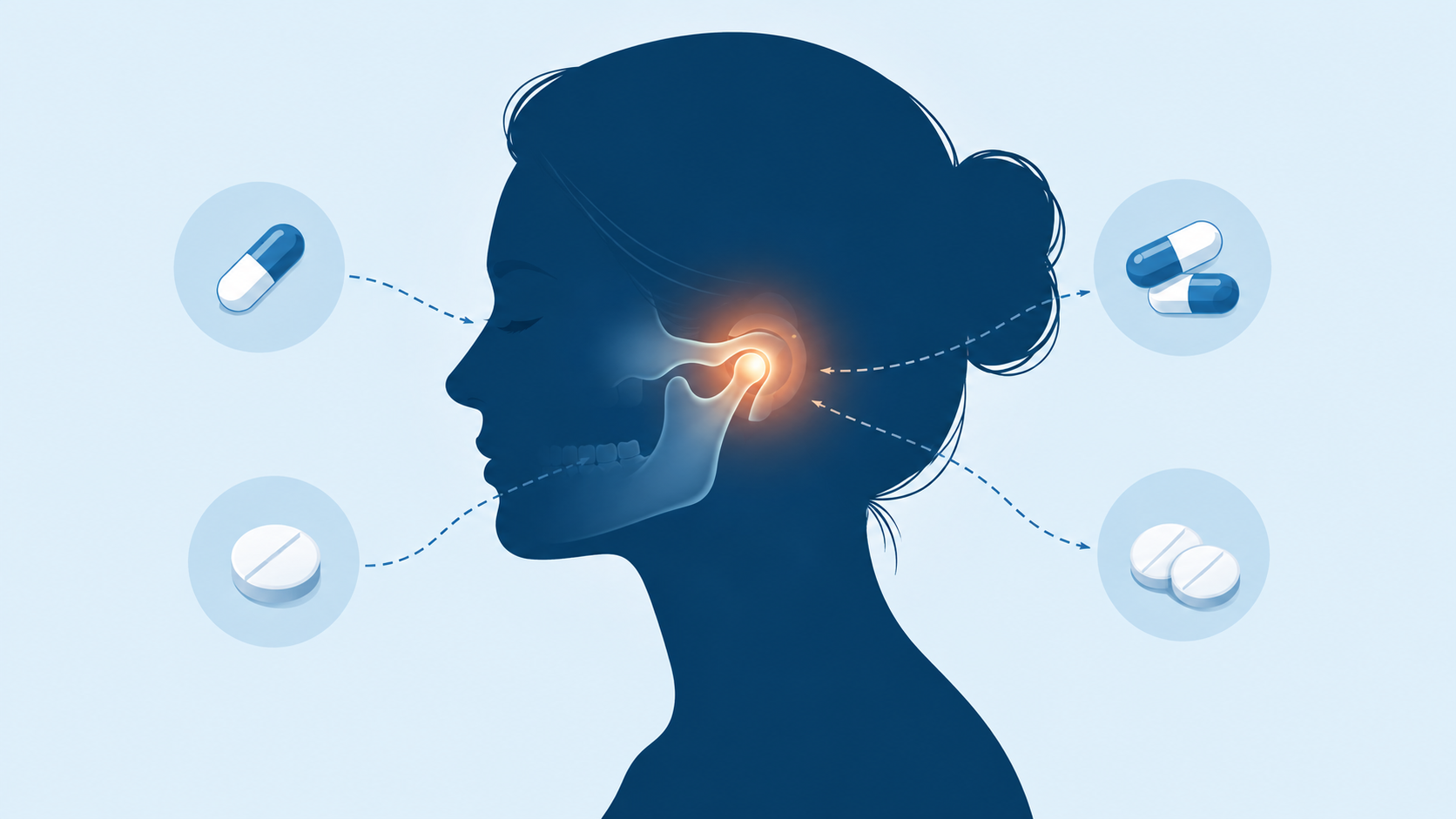
- Medications – The use of antidepressants such as Paxil and Effexor have been shown in some people to induce tooth grinding.
- High Achievers and Daytime Stress – People who operate at a high mental pace during the day tend to clench and grind more at night.
The Good News! There is treatment for teeth grinding regardless of the cause of the brain arousal. If you have insomnia, talk to your doctor. Medication or therapy or both can really help. Also, sleep apnea is very easy to detect (if your partner hasn’t already told you!) by a sleep study at home or at a clinic. If you are diagnosed with sleep apnea, there are a myriad of ways to treat it, from oral appliances to CPAP machines.
If the stresses of everyday life are causing your grinding, a custom made oral appliance (night guard) can work wonders. It won’t prevent you from grinding but it will ensure that your teeth aren’t damaged and that your jaw muscles and TMJs are not overworked.
For severe bruxism, you may need to see a TMJ specialist who can provide a variety of treatment options to address the origins and consequences of your bruxism.
Dr. Donald Tanenbaum is a specialist with offices in New York City and Long Island, NY. He is uniquely qualified to diagnose and treat facial pain associated with jaw problems, TMJ, referred pain, nerve pain, and migraines. Find out more at www.nytmj.com.