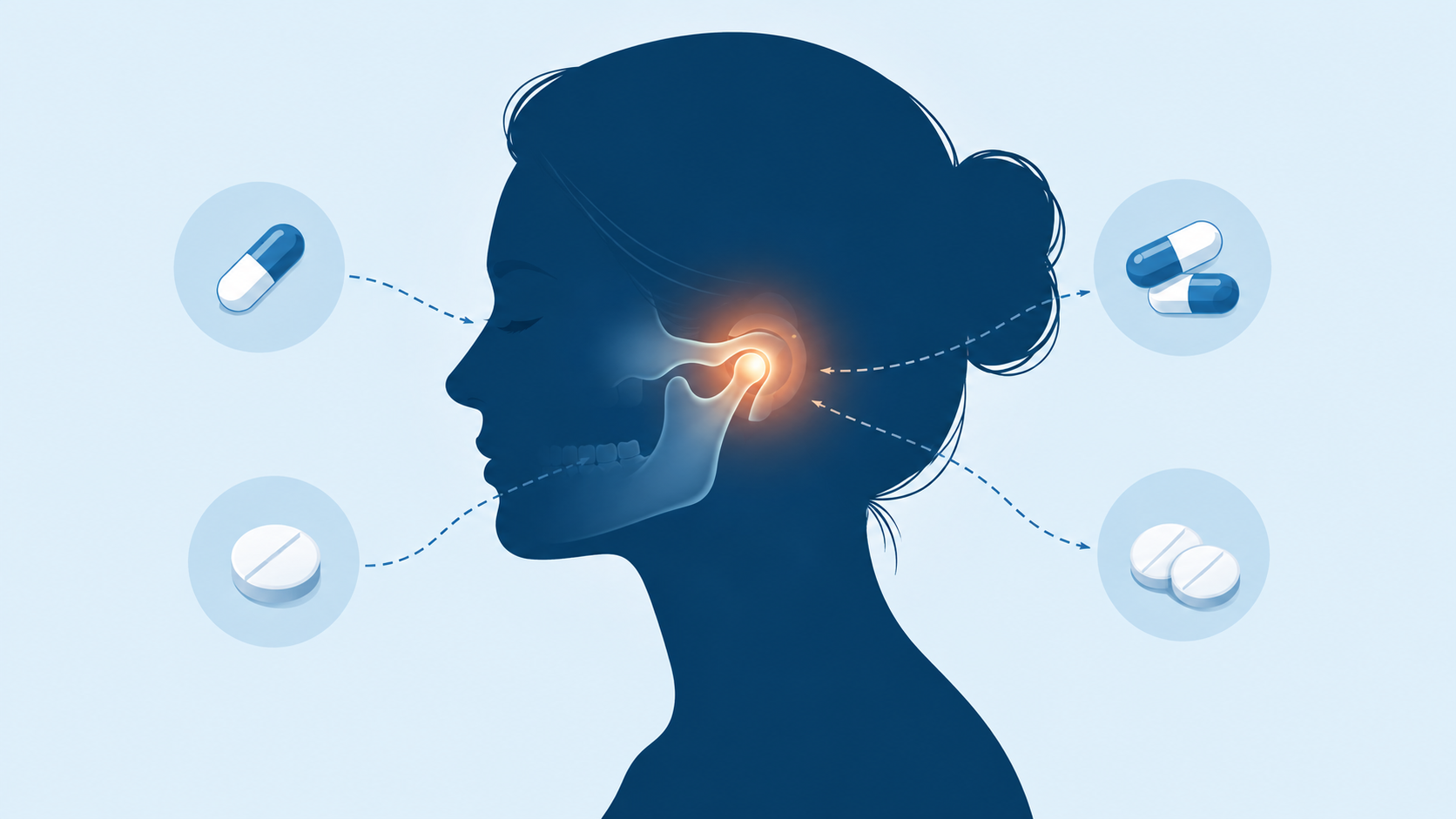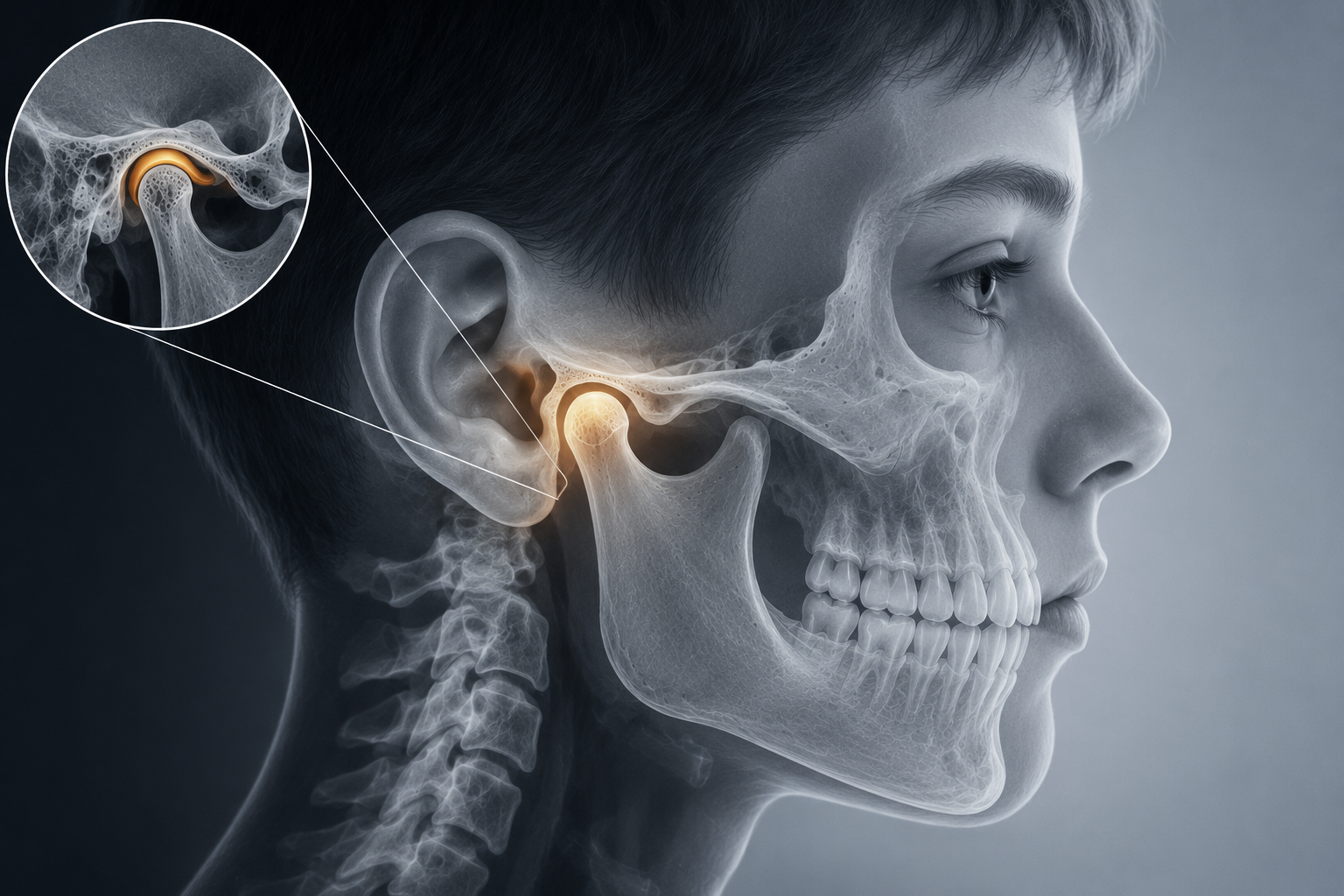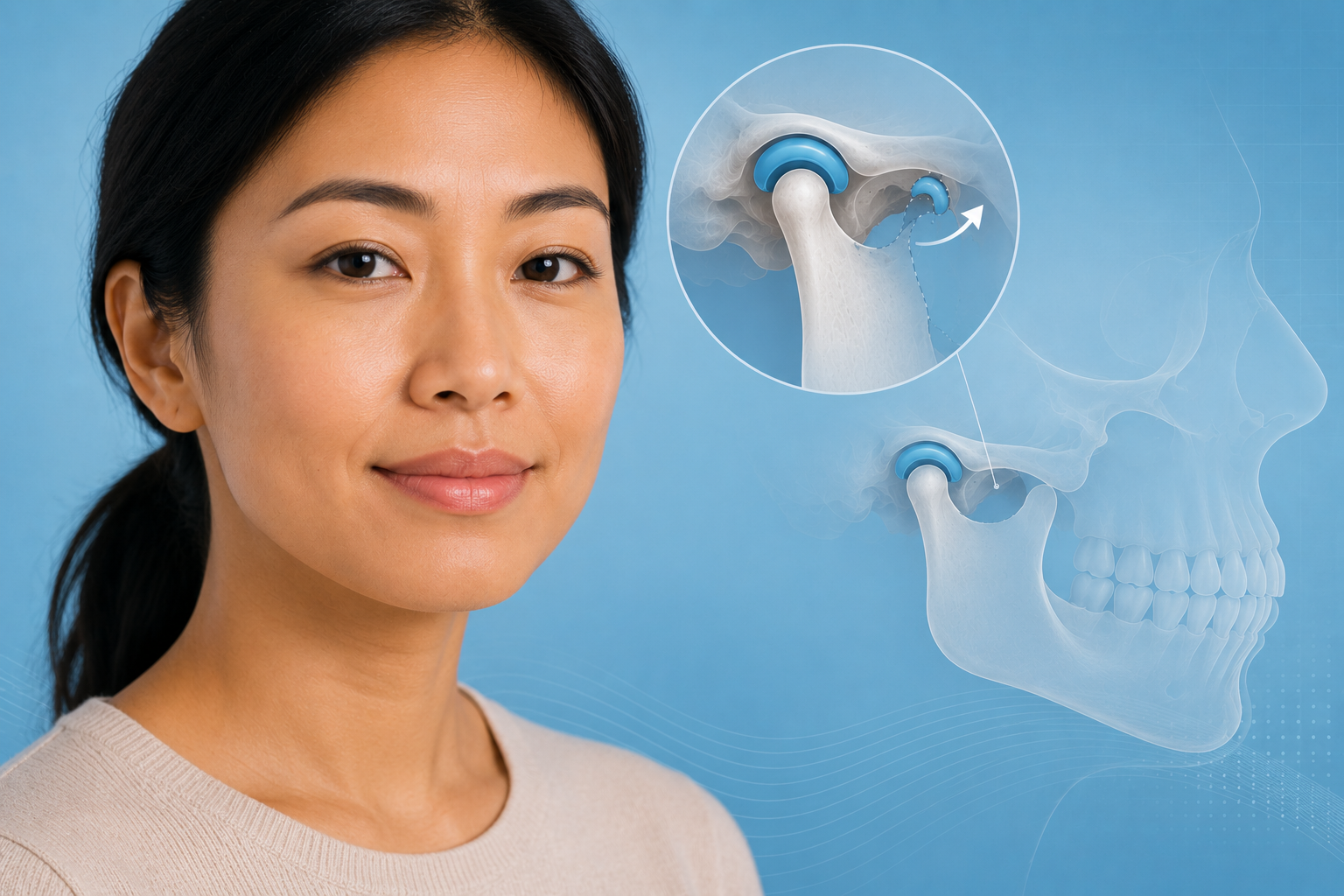
Though it is common for many TMJ sufferers to take anti-inflammatory medications called NSAIDs, which are available without a prescription in local pharmacies and in super-sized containers in big box stores, they are not as safe as presumed.
The most common of these over the counter medications are Advil and Aleve and many of my patients down them as if they are sugar-coated candies. Even when the medications are not working, patients continue to use them, wrongly assuming that since they are available without a prescription that they are safe in any quantity.
For the most part, short-term use of these medications for a period less than ten days should not pose any health concerns. Unfortunately, many TMJ problems may require weeks of use in order for muscle and joint inflammation to be controlled. As a result, these medications can pose cardiovascular, kidney, and gastrointestinal risk.
In particular, patients with a previous history of a heart attack are more at-risk for another episode when taking this class of medication. Medications for high blood pressure and so-called ‘water pills’ (anti-diuretics) may also not work as well when NSAIDs are taken at the same time. Kidney performance can suffer as well when taking these medications in an uncontrolled manner over an extended period of time.
Though these medications are commonly associated with stomach upset prompting patients to discontinue their use after a short period of time, many patients tolerate these drugs for long periods before the side effects of upset stomach and bloody stools are experienced. By this time, damage may have already occurred to the stomach and other parts of the digestive system. So here are some suggestions:
Using NSAIDs Safely
- Don’t take these medications for more than two weeks without professional guidance.
- Make sure you take these medications with at least twelve ounces of water or after a meal.
- Take these medications at the recommended time interval between doses and not before, even if pain begins to increase.
- Don’t rely on these medications to ease symptoms. Use other strategies at the same time to help decrease inflammation. These other efforts can include following a soft diet, using ice/heat, self or professional massage, stretching your jaw muscles; the list goes on.
- If while taking these medications you begin to bruise easily, discontinue use immediately and consult with your physician.
- If you have a history of hypertension, routinely take your blood pressure when on these medications.
- If your stomach begins to hurt or your stools darken, discontinue these medications and consult with your doctor immediately.
In summary, NSAIDs are tremendously helpful medications, but benefit and risk should always be weighed. If you are not sure, whether to use or continue using these medications, professional consultation is always advised.
There are more treatment options available to help alleviate TMJ pain:
Dr. Donald Tanenbaum is a specialist with offices in New York City and Long Island, NY. He is uniquely qualified to diagnose and treat facial pain associated with jaw problems, TMJ, referred pain, nerve pain, and migraines. Find out more at www.nytmj.com.