As a specialist in orofacial pain and TMJ, I often write about the positive impact of relieving jaw-related muscle problems, from clenching and grinding to persistent pain. Professionals in my specialty routinely use neurotoxins such as BOTOX® to relieve jaw-related muscle problems.
But recently, my understanding of botulinum toxin shifted from professional to personal in a way I never could have expected.
If you’re a parent of a baby under 12 months old, understanding infant botulism could make a life-saving difference. Though rare, this illness requires fast action, and knowing the signs early is key.
A Personal Experience With Infant Botulism
In April 2025, two of my daughters gave birth to boys just six days apart. But seven weeks later, that joy turned to fear when one of my daughters called with concern in her voice.
Her baby had stopped having bowel movements, was refusing his bottle, and seemed unusually listless. As a healthcare professional, I knew these symptoms warranted immediate attention. As a grandfather, I felt the same worry any parent or grandparent would.
A Friday Morning Emergency
My daughter and son-in-law, who live in Manhattan, had made an appointment at their pediatrician’s office for later in the day, but their instincts told them not to wait. They took their son to the Weill Cornell Pediatric Emergency Room, where a team of doctors and nurses immediately put him on IV fluids and began running tests.
While we were anxiously awaiting results, one ER physician made a diagnosis that seemed to come out of nowhere. Based on my grandson’s symptoms and his own clinical experience, he suspected infant botulism.
He had seen seven similar cases in his 20-year career. His intuition and willingness to act before test results confirmed anything likely prevented a far more serious outcome.
What Is Infant Botulism?
Infant botulism occurs when babies under one year old ingest spores of Clostridium botulinum, which grow in their immature digestive systems and release powerful toxins.
Unlike adult botulism, which usually results from contaminated food, infant botulism begins when spores germinate in the gut, typically within 12 to 36 hours. The resulting toxins interfere with nerve signals that control muscle movement, causing a progressive paralysis that starts with digestion and swallowing.
Infant botulism is rare, with about 100 to 150 cases per year in the U.S., but it’s serious and early recognition is critical.
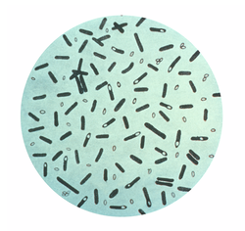
The bacterium Clostridium botulinum produces the toxin that causes infant botulism.
What Parents Should Know: Recognizing the Signs of Infant Botulism
Doctors often refer to the key symptoms as “The 4 Cs.” My grandson displayed them all:
- Constipation (often the earliest sign)
- Poor Cry (weak or altered vocal tone)
- Poor Control of head and neck muscles
- Poor Coordination of sucking and swallowing
If your baby exhibits more than one of these symptoms, especially suddenly, don’t wait. Trust your instincts and seek care immediately.
A Likely Source: Soil from Construction
Honey is the most well-known source of infant botulism spores, but we suspect a different one in this case: soil exposure.
Construction work had just started outside my daughter’s New York City apartment the week they brought their son home. Their apartment, facing the street with open windows in the early spring, may have allowed airborne spores from disturbed soil to enter.
Clostridium botulinum spores are naturally found in soil worldwide. When construction stirs up that soil, those spores can become airborne, especially in urban settings.

When Every Minute Matters: Treatment for Infant Botulism
Once infant botulism is suspected, speed is essential. The ER doctor immediately contacted infectious disease specialists and began the process of securing Botulism Immune Globulin (BIG-IV) the only antitoxin treatment available.
BIG-IV is distributed through a specialized program coordinated by the California Department of Public Health. In our case, the nearest supply was in North Carolina. The earlier the antitoxin is administered, the better the outcome because it prevents further damage from circulating toxin.
A Long but Hopeful Recovery
Recovery takes time. My grandson spent 16 days in the hospital, receiving IV nutrition, respiratory monitoring, and careful support as his body healed.
About a week in, stool tests confirmed the presence of Clostridium botulinum, validating the diagnosis and the aggressive treatment approach. But the greatest relief came from seeing his energy and appetite slowly return.

A Medical Miracle Made Possible by Research
This experience was a powerful reminder of the importance of scientific research and preparedness.
Without the decades of work behind BIG-IV, from discovery to distribution, our family’s outcome could have been very different. The dedication of researchers, doctors, and public health professionals created the safety net that saved my grandson.

Parents: Trust Your Instincts
Today, my grandson is a thriving, healthy baby. He’s met all his developmental milestones and has no lingering effects from his illness.
If your baby shows signs of unusual weakness, feeding difficulty, or seems “off” in any way, trust your gut. Don’t wait. Get help, and know that treatment exists.
What parents should know about infant botulism is simple but vital. It’s rare, but real. And early action can mean the difference between crisis and recovery.
10 Essential FAQs About Infant Botulism
How rare is infant botulism really?
About 100 to 150 babies are affected each year in the U.S. It’s uncommon, but serious.
What are the early warning signs of infant botulism?
Constipation, weak crying, poor head control, and trouble feeding. These may appear suddenly.
Why can’t babies under 12 months have honey?
Honey can contain botulism spores. A baby’s gut isn’t mature enough to prevent them from growing.
How quickly do symptoms appear after exposure?
Usually within 12 to 36 hours, but sometimes longer.
Are there other sources of infant botulism besides honey?
Yes. Soil, dust, construction, or improperly prepared food.
How is infant botulism diagnosed?
Mostly by symptoms and clinical judgment. Stool tests confirm the diagnosis but may take days.
What’s the treatment for infant botulism?
BIG-IV antitoxin, plus supportive care like IV fluids and respiratory monitoring.
Will my baby recover fully?
Most babies make full recoveries if treated early, though healing can take weeks to months.
What happens if infant botulism is not caught early?
Paralysis can progress, leading to “floppy baby syndrome,” breathing issues, and greater risk of complications.
How can I reduce my baby’s risk of infant botulism?
Avoid honey before 12 months, minimize dust and soil exposure, and always trust your instincts.