If you’ve ever woken up in the morning and couldn’t open your mouth, this is for you…
What Is Lockjaw?
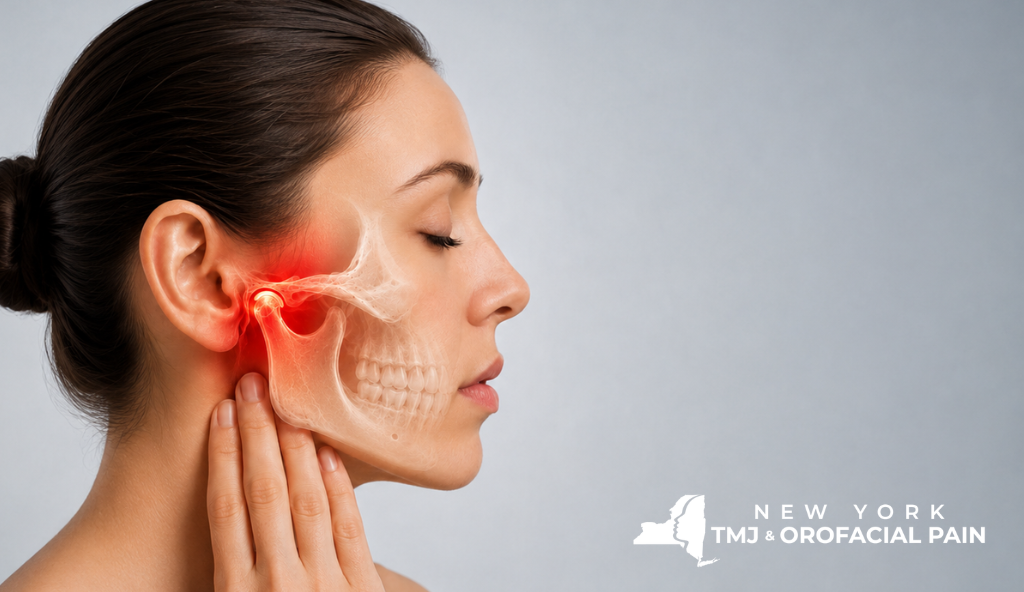
Lockjaw, which is medically known as trismus, is a prolonged, spasmodic contraction of your jaw muscles that makes it difficult to open your mouth normally.
In years past, lockjaw was typically tied to a serious bacterial infection called tetanus. Tetanus is rare in the United States today, but the term “lockjaw” so accurately describes the experience of not being able to open your mouth wide, it’s still being used.
What Causes Lockjaw?
As an Orofacial Pain Specialist, I provide advice and care to patients suffering from jaw problems, including “locked jaws”. The following insights shed some light on why it happens.
TMJ Is The #1 Cause Of Lockjaw
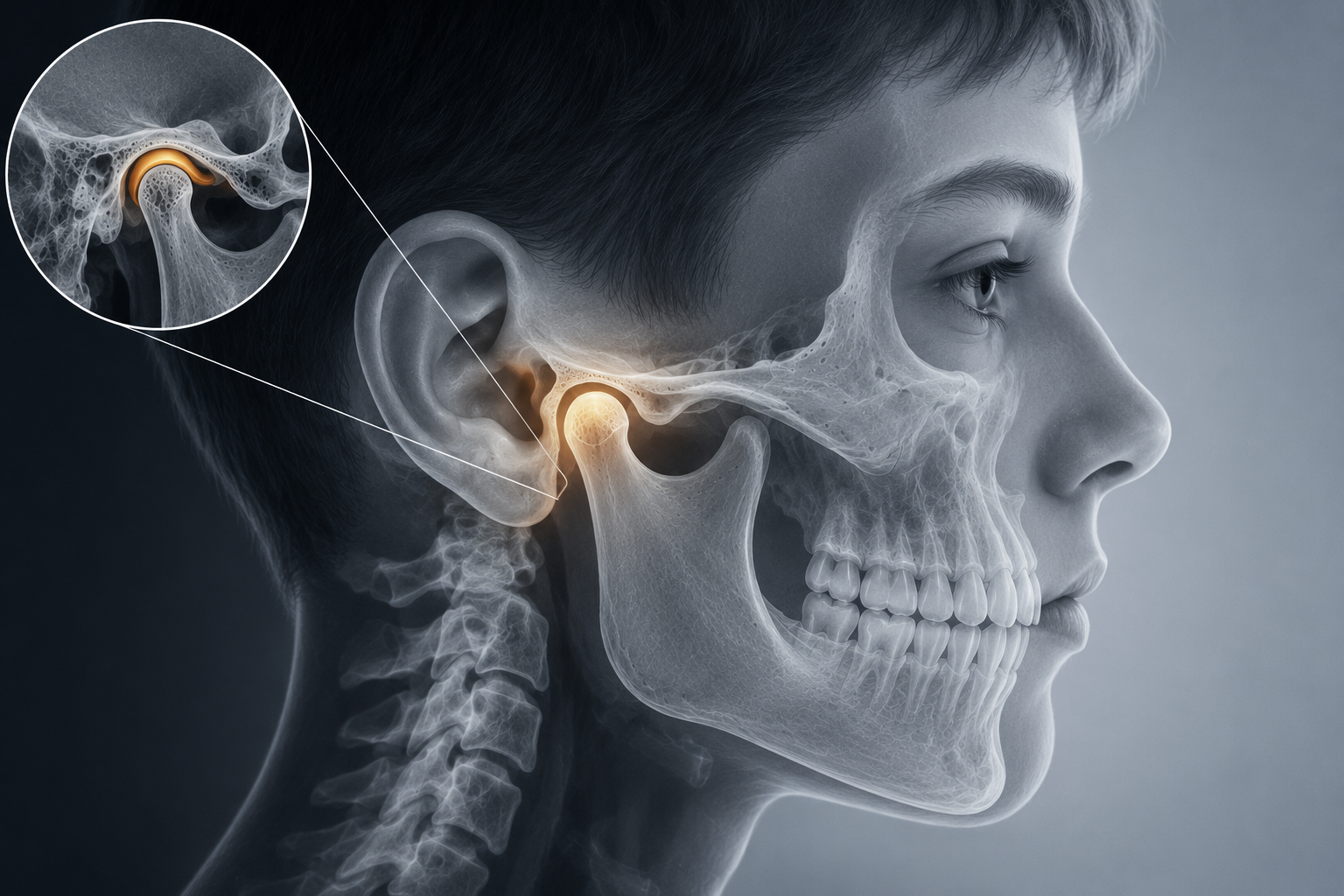
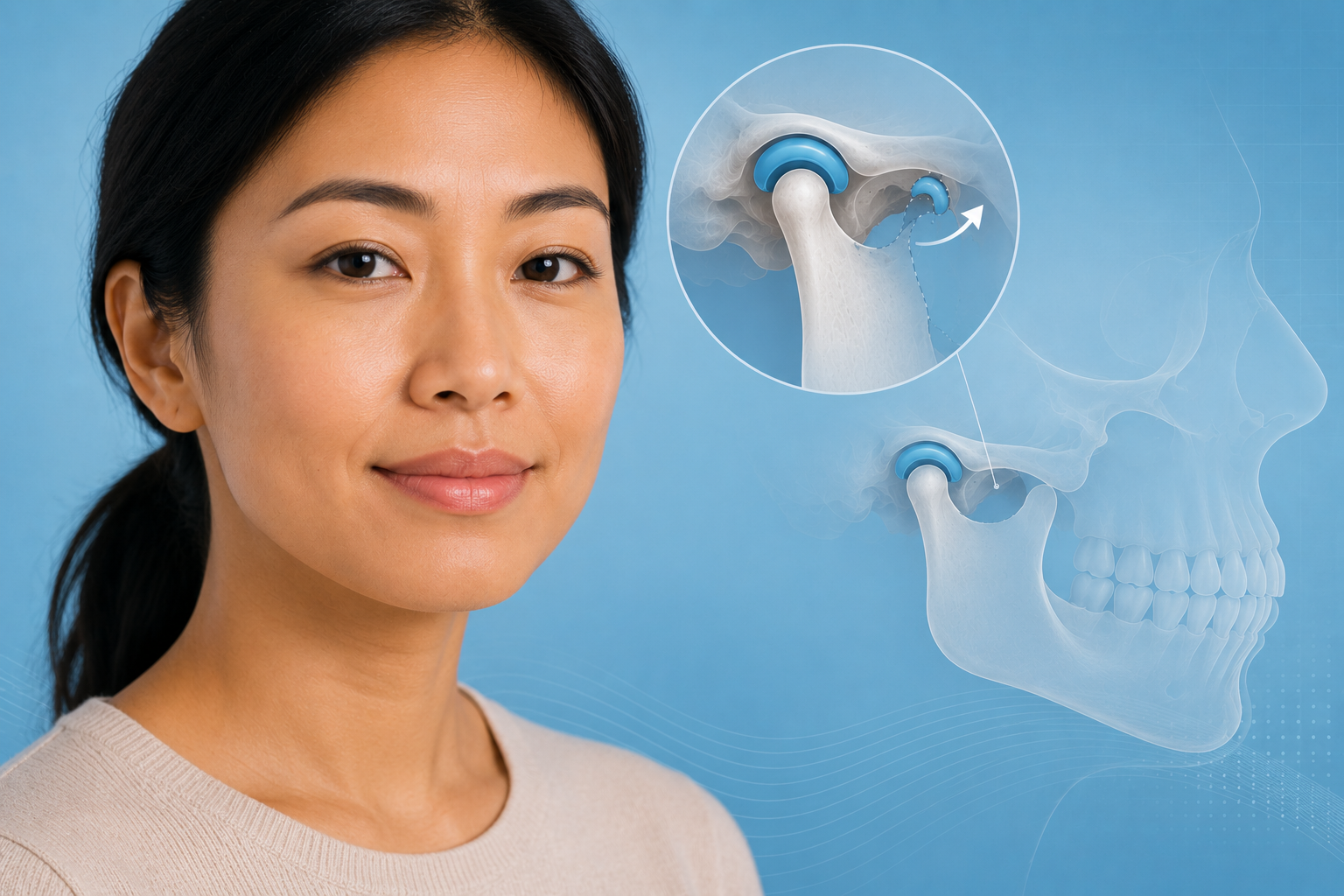
The term TMJ refers to the temporomandibular joints. They are the joints in front of your ears on either side of your face that can lock-up and keep you from being able to open your mouth wide – or at all! So, what causes TMJ?
A Single Event: TMJ can be the result of a one-time event that impacted your jaw, such as a sports injury, a car accident, being punched or kicked in the face or neck, or a dental or medical procedure where you had to keep your mouth open for a long period of time. Sometimes, jaw problems appear long after the injury occurred.
Sleep Bruxism: Sleep bruxism is when you grind or clench your teeth while you’re asleep – has been linked to TMJ, as well. Everyone who grinds or clenches at night doesn’t develop jaw problems, but bruxism is considered a distinct risk factor.
Your Lifestyle: Your lifestyle can set you up for TMJ, too. If you routinely chew gum, bite your nails, clench your teeth during the day, or any other habit that puts a strain on your jaw muscles and joints, you’re setting yourself up for the possibility of TMJ.
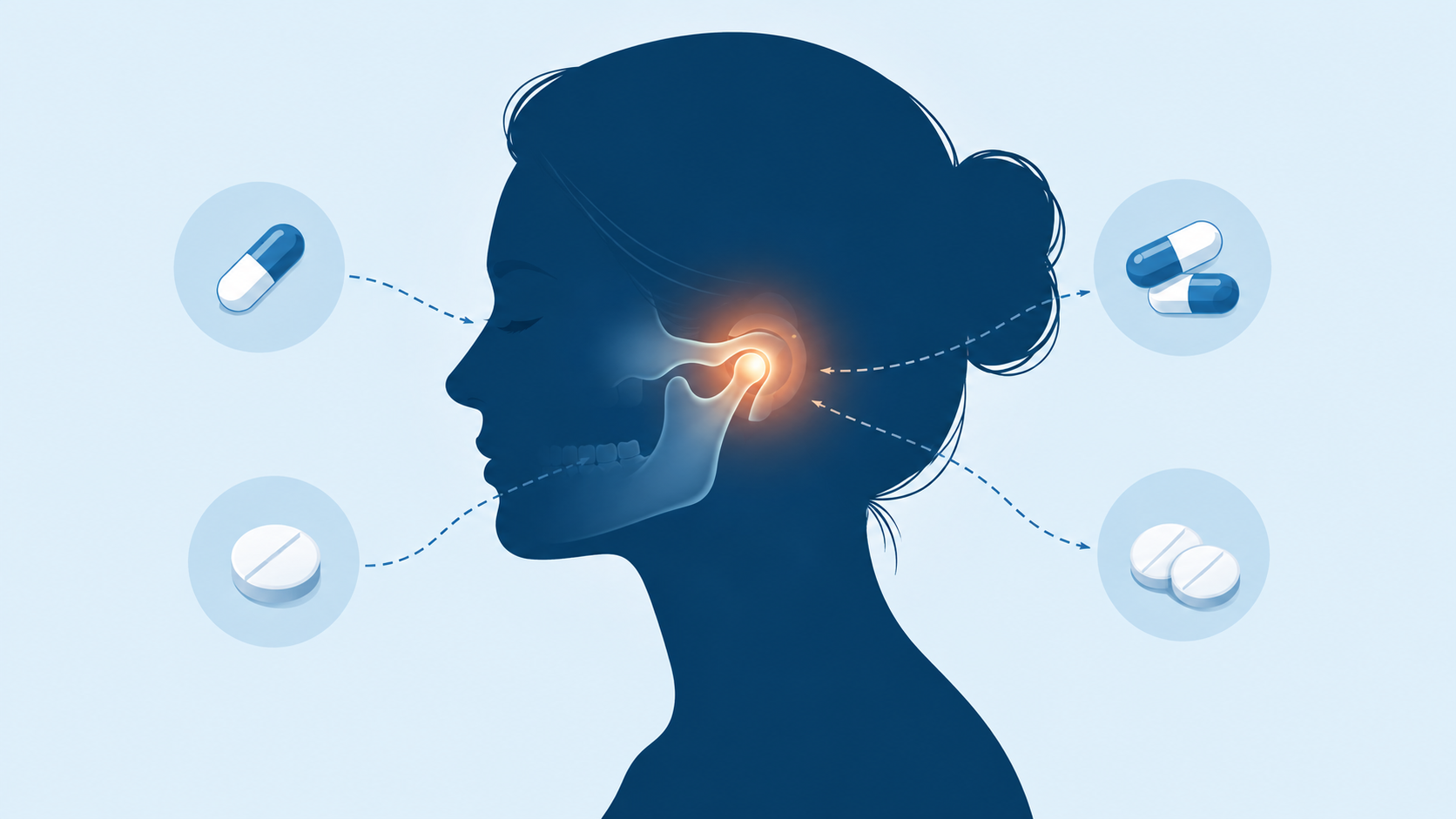
Anxiety Or Medications: Frequent anxiety and ADD/ADHD medications are also considered a risk. They both can cause your jaw muscles to tighten and therefore keep you from being able to open your mouth wide.
Other Causes Of TMJ: Other, less common links to TMJ include arthritis, a dental injury, some neurological conditions, and other health conditions.
What To Do About Your Locked Jaw
Now that you understand the causes of lockjaw, you’ve taken the first step toward treatment and relief. Even if your jaw isn’t currently locking, recognizing and trying to eliminate the risk factors listed above will go a long away.
If your jaws lock frequently, don’t be scared. There are doctors who specialize in jaw problems (like me!). We can help alleviate your current pain and discomfort and help you prevent it from happening again.
Get Help Now: If you live in the NYC metropolitan area and suffer from lockjaw, contact New York TMJ & Orofacial Pain. We have four convenient locations. Our contact info is below.
If you live outside our area and need help, search for “TMJ specialists” on Google or use the American Academy of Orofacial Pain’s professional directory here.