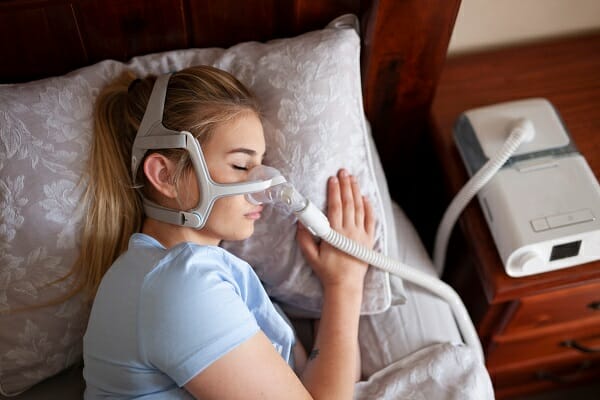
Many dental sleep medicines are great alternatives if you struggle with CPAP therapy. CPAP therapy effectively treats obstructive sleep apnea (OSA) or pauses in your breathing while sleeping. However, it uses high pressures, loud noises, and potentially uncomfortable masks. For some people, this can make it even more challenging to fall asleep, affecting their quality of life. Furthermore, if it’s so undesirable of an option that patients are unwilling to use it, then their sleep apnea remains unresolved. Up to 50% of people who have tried CPAP do not use it frequently or adequately enough because of its discomfort.
What is obstructive sleep apnea?
OSA is a disorder in which you have intermittent pauses in breaths throughout the night. This can cause poor quality of sleep and snoring. If you have OSA, you might feel constantly tired, even after sleeping for proper amounts of time. Symptoms related to this include headaches, irritability, dry mouth, and insomnia.
OSA is caused by the muscles in your throat relaxing. This closes your airway, decreasing the amount of oxygen in your bloodstream. Your brain will realize this and quickly wake you to get more oxygen into your body. You may not even remember waking up. The constant waking up throughout the night is what will cause your poor quality of sleep. It is important to seek treatment if you suffer from OSA.
What are other dental sleep medicine options?
If CPAP doesn’t work for you or you want to explore your options, there are plenty from which to choose. There are a couple of different dental appliances that you can use. They benefit from being easy, non-surgical options that are portable and often more comfortable than a CPAP machine.
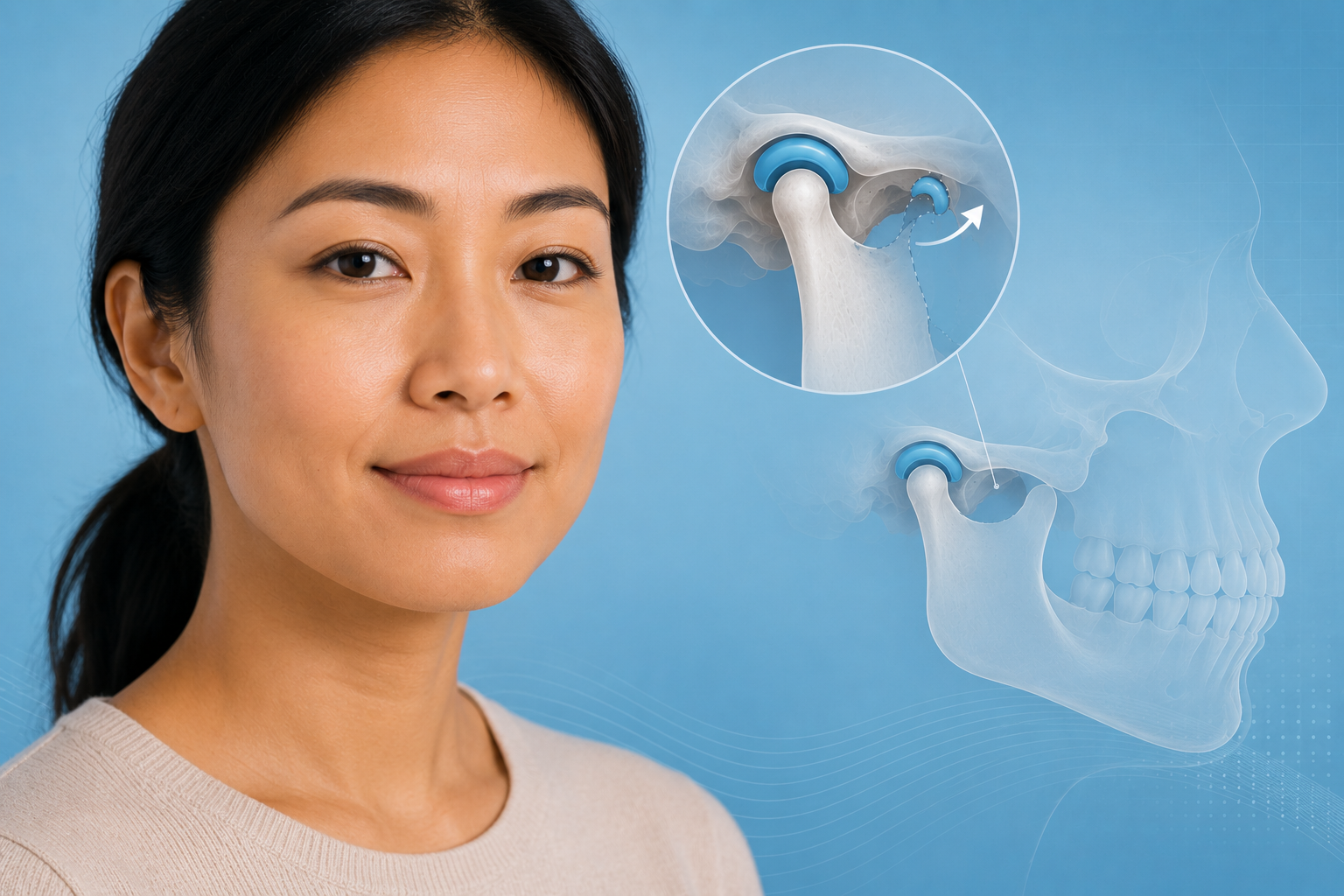
One option is to use an appliance called a mandibular advancement device (MAD) that you wear when you sleep. It will push your bottom jaw forward into the proper position to open your airways and eliminate snoring. It works by pushing your tongue and other muscles forward with your lower jaw. MADS can also have long-term benefits by strengthening the muscles involved. MADs use a combination of plastic pieces that resemble mouthguards and metal hinges.
Another option is to use a tongue retaining device (TRD), sometimes called a dental splint. This works similarly to the MAD, but instead of pushing the jaw forward, it just holds your tongue forward. It is also made entirely of plastic. For some people, this works better, but other people find them more uncomfortable. Ultimately, it is a matter of personal preference.
Yet another dental sleep medicine option is to retrofit your CPAP machine with a MAD so you can use both in conjunction. Doing so will allow you to use your CPAP machine at a lower pressure. If CPAP machines are entirely intolerable for you, this is probably not a great option, but this might be ideal for people who find them mildly uncomfortable or just too strong.
Call your dentist
If you have been diagnosed with a sleep disorder, it is important to contact your dentist. Many of the treatment options for sleep conditions can have a major impact on you and your partner. Instead, many dental options are effective, but less disruptive. Contact your dentist today to see if dental sleep medicine is an option for you to consider.
If you or someone you know is experiencing persistent or acute pain in the face or jaw, we invite you to set up a consultation with one of our Orofacial Pain specialists in the NYC metropolitan area. Our office locations and contact information are below.