3 Reasons Why You May Have It
For more than 40 years, I’ve treated TMJ disorders in the New York metropolitan area. Over that time, one principle has guided my approach: the most important question is not simply, “What symptoms are you experiencing?” The real question is, “Why are those symptoms occurring?” Once we understand the underlying cause, the path to effective treatment becomes much clearer.
What Causes TMJ?
If you’ve been dealing with jaw pain, tooth pain without a clear cause, clicking or popping sounds, morning headaches, or difficulty opening your mouth, you’re not alone. TMJ disorders are common, real, and treatable. But here’s something most people don’t realize:
TMJ is not one condition with one cause.
There are three common and distinct reasons you may have it, and they can each lead to the same frustrating symptoms:
- Mind-body disorders, where stress and nervous system dysregulation cause real physical changes in the jaw
- Physical trauma, where a specific injury sets off a chain of damage and dysfunction
- Underlying medical conditions, where genetics or systemic disease make joints and muscles more vulnerable
Unless your doctor identifies which reason or reasons apply to you, treatment may miss the mark entirely. Proper diagnosis determines proper treatment.
1. Could Stress and Emotions Be Causing Your TMJ Symptoms?
Yes. Emotional and psychological stress can cause real physical injury to your jaw joints and muscles. This is not about imaginary symptoms. It is about how the autonomic nervous system directly affects muscle and joint function.

What Does a Mind-Body TMJ Disorder Look Like?
A mind-body disorder occurs when emotional factors such as chronic stress, anxiety, unresolved trauma, or persistent fear trigger measurable physical changes in the body. In TMJ, this occurs through autonomic nervous system dysregulation.
When the body remains in fight or flight mode for prolonged periods, it:
- Increases muscle tension throughout the jaw, neck, and head
- Reduces blood flow to tissues
- Depletes cellular energy
- Creates microscopic tissue damage over time, known as microtrauma
The result is real pain, real joint sounds, and real functional limitation, even without a distinct injury or disease process.
Who Is Most Likely to Experience This Type of TMJ?
This presentation commonly appears in patients between ages 17 and 60, and approximately 70 percent are women. Many describe symptoms that fluctuate and worsen during stressful periods. Anxiety, depression, and chronic stress are frequent contributing factors.
Daytime behaviors such as tooth clenching, jaw bracing, nail biting, and forward head posture place additional strain on the jaw. At night, bruxism can repeatedly overload the TM joints and muscles.
The symptoms of stress-mediated TMJ can look identical to those caused by trauma or disease. This is why accurate diagnosis is essential.
2. Could an Injury Be the Reason You Have TMJ?
Yes. Physical trauma is a common and identifiable cause of TMJ disorders. If your jaw has not felt normal since a specific event, lingering symptoms often reflect tissue injury.
What Types of Injuries Can Trigger TMJ?
Events that frequently precede trauma-related TMJ include:
- Sports injuries, car accidents, or direct blows to the jaw
- Prolonged mouth opening during dental procedures or general anesthesia
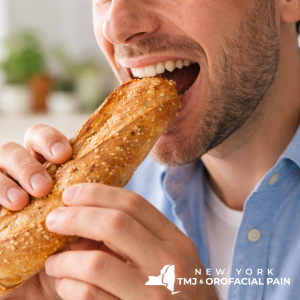
- Biting into hard foods such as a crusty baguette or biscotti
- Opening the mouth excessively wide
Patients often recall the exact moment symptoms began. “I bit into something hard and heard a pop.” “My jaw was open for two hours during a procedure.” “I was in a fender-bender and the airbag struck my jaw.”
Can a Minor Injury Lead to Long-Term Symptoms?
Yes. When trauma affects the ligaments, joint capsule, or articular disc, inflammation and protective muscle guarding follow. If healing is incomplete, acute discomfort can evolve into chronic dysfunction involving pain, joint sounds, and restricted opening.
3. Could an Underlying Medical Condition Be the Cause?
Yes. In some individuals, TMJ develops because the joints and connective tissues are inherently more vulnerable due to systemic medical conditions.
Hypermobility and Connective Tissue Disorders
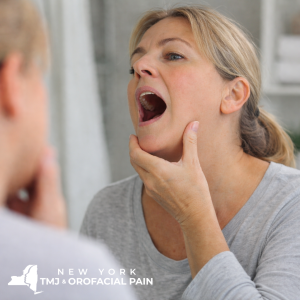
Conditions such as Ehlers-Danlos syndrome and other hypermobility disorders alter the structural integrity of connective tissue. Everyday activities, including chewing, yawning, and speaking, may gradually destabilize the jaw joints. What is harmless for most people can become injurious in this population.
Arthritis and Autoimmune Conditions
Rheumatoid arthritis, psoriatic arthritis, and other autoimmune diseases can directly involve the temporomandibular joint and the jaw muscles. Inflammation may lead to cartilage breakdown and structural joint changes. Osteoarthritis can also compromise joint resilience.
And There are Other Less Considered Factors
Sleep-related breathing disorders, neuromuscular disorders, and even compromised gastrointestinal functions can adversely impact jaw structures over time. Evaluating and addressing these conditions often affects the outcome of the overall treatment plan.
Why Do Women Experience TMJ More Frequently?
Hormonal influences, particularly estrogen, affect both connective tissue characteristics and pain modulation. This contributes to the higher prevalence of TMJ among women and to symptom fluctuation across the menstrual cycle, during menopause, and in response to birth control pills and hormone replacement therapy.
Does a Medical Condition Guarantee TMJ?
No. These conditions create vulnerability, not inevitability. Symptoms typically emerge when underlying susceptibility combines with contributing factors such as muscle tension, oral habits, or minor trauma. Treatment must address both systemic and local contributors.
Knowing the Cause Is the Foundation of Treatment
All three pathways can produce nearly identical symptoms, including jaw and unresolved tooth pain, restricted opening, muscle tenderness, joint sounds, and headaches.
This is why identifying the underlying cause is critical. A stress-mediated case requires nervous system regulation alongside physical care. A trauma-induced case requires targeted tissue rehabilitation. A medically mediated case requires long-term management strategies.
Treating all TMJ the same way is one of the most common reasons patients fail to improve. Determining the cause changes the outcome.
Are You Experiencing TMJ Symptoms in the NYC Metropolitan Area?
If you’re in the New York City metropolitan area and you’ve been dealing with unexplained jaw pain, clicking, locking, headaches, or difficulty chewing, you deserve answers, not just temporary relief.
At New York TMJ & Orofacial Pain, we specialize exclusively in diagnosing and treating TMJ disorders and orofacial pain. Dr. Tanenbaum and our team take the time to identify the true cause of your symptoms and build a treatment plan that directly addresses it.
Contact us today to schedule a comprehensive evaluation.
Interested in learning more? Explore additional TMJ topics in our Learning Center.
Frequently Asked Questions: What Causes TMJ?
1. What are the three main reasons someone develops TMJ?
The three most common causes are stress-related mind-body mechanisms, physical trauma, and underlying medical conditions such as connective tissue disorders or arthritis.
2. Is TMJ always caused by stress?
No. While stress can contribute significantly in some cases, many patients develop TMJ due to injury or systemic medical vulnerability.
3. Can stress cause actual damage to the jaw?
Yes. Chronic stress can lead to prolonged muscle contraction, reduced circulation, and gradual microtrauma, resulting in genuine tissue injury.
4. How can I tell if my TMJ started after an injury?
Trauma-related TMJ typically follows a clearly identifiable event such as a blow to the jaw, prolonged dental procedure, or motor vehicle accident. A comprehensive evaluation can help determine the connection.
5. Why is TMJ more common in women?
Hormonal influences, particularly estrogen, affect connective tissue properties and pain sensitivity, contributing to higher prevalence.
6. Can TMJ related to a medical condition be treated?
Yes. Treatment focuses on management and functional stability, reducing strain and preventing flare-ups.
7. Why do different causes produce similar symptoms?
Different underlying mechanisms can produce the same clinical presentation. Symptoms alone do not identify the cause. Expert evaluation is required.
8. Where can I find a TMJ specialist in the NYC area?
New York TMJ & Orofacial Pain provides comprehensive evaluations and individualized care in Manhattan, Long Island, Westchester County, and Northern New Jersey.