

Are You Struggling to Open Your Mouth?
There’s a good chance you’re reading this because you woke up one morning and couldn’t open your mouth properly. Or maybe you’ve been struggling with limited jaw movement for weeks or even months. Perhaps your jaw makes clicking sounds and sometimes feels like it might “catch” or lock up completely.
If this sounds familiar, you’re likely dealing with what’s commonly called “lockjaw” – and you’re not alone.
What’s Really Happening When Your Jaw Won’t Open
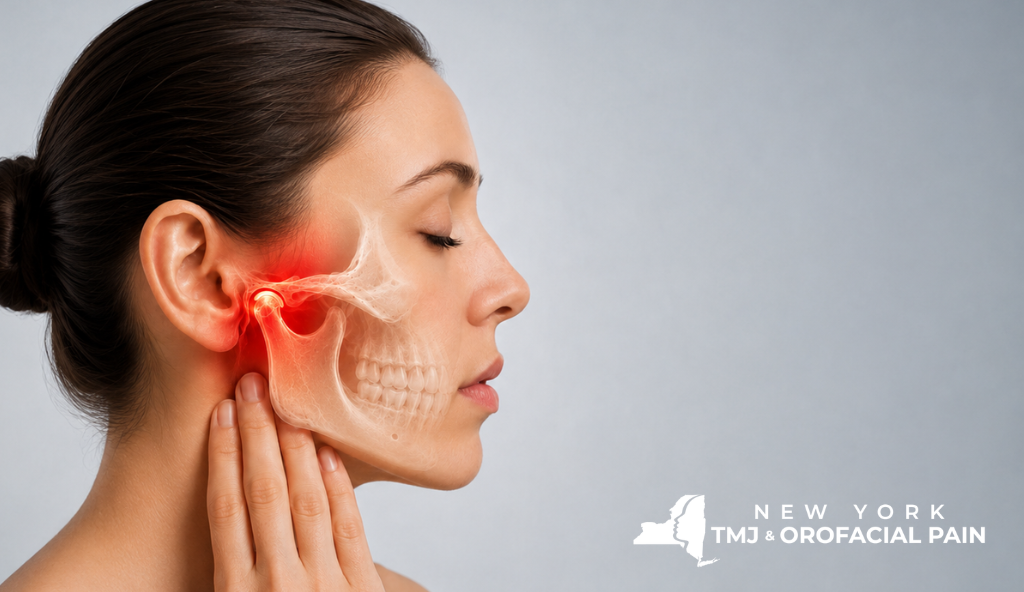
Lockjaw (medically known as trismus) is exactly what it sounds like – a condition where your jaw muscles lock up, making it difficult or even impossible to open your mouth normally. While many people associate lockjaw with tetanus infection, the reality is that most cases today are related to problems with your temporomandibular joints (TMJs) and the surrounding muscles.
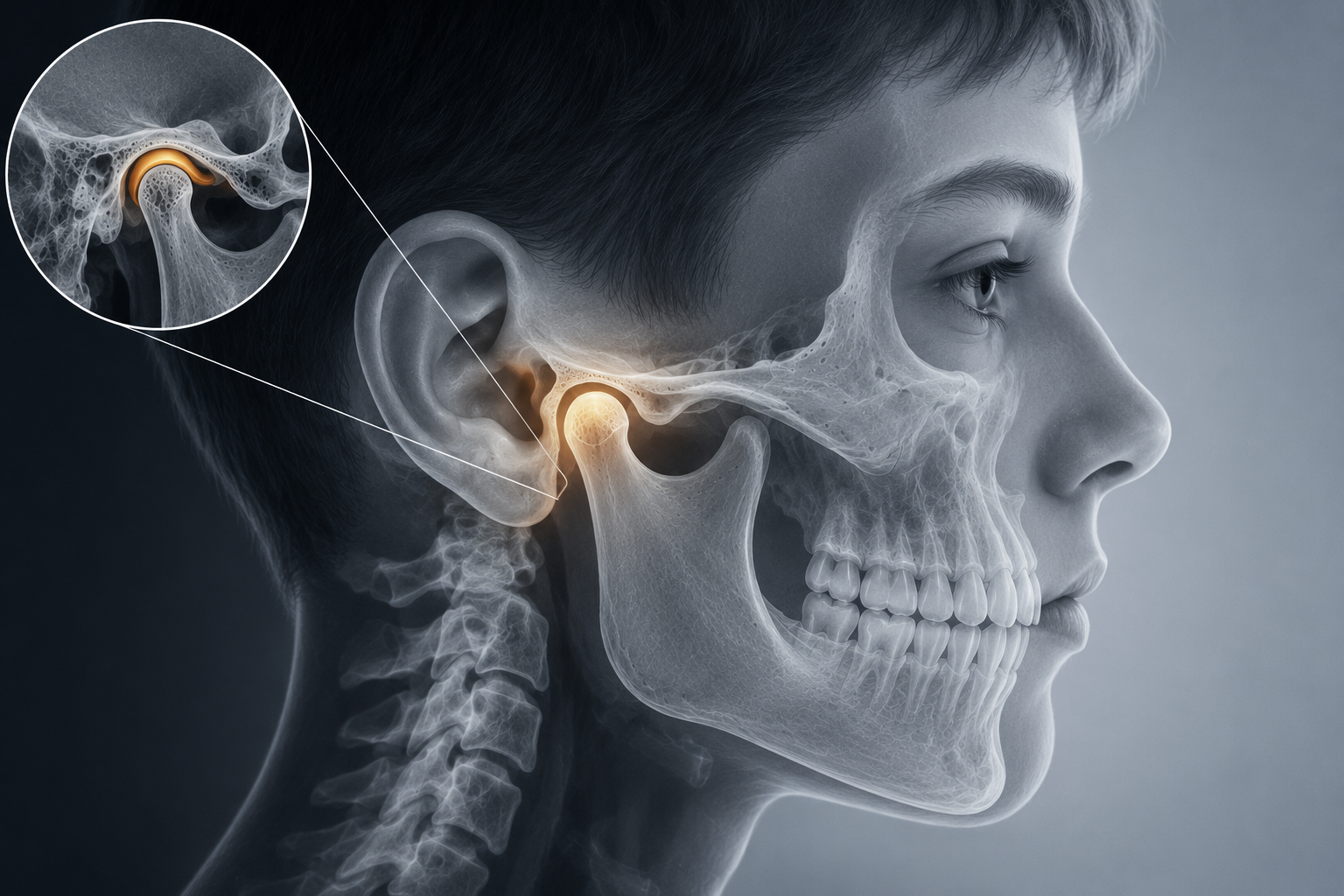
Think about everything your jaw does all day long – talking, chewing, yawning, expressing emotions. When this complex system becomes strained, unstable, or overworked, the result can be a temporomandibular disorder (TMD) that leaves you literally struggling to open wide.
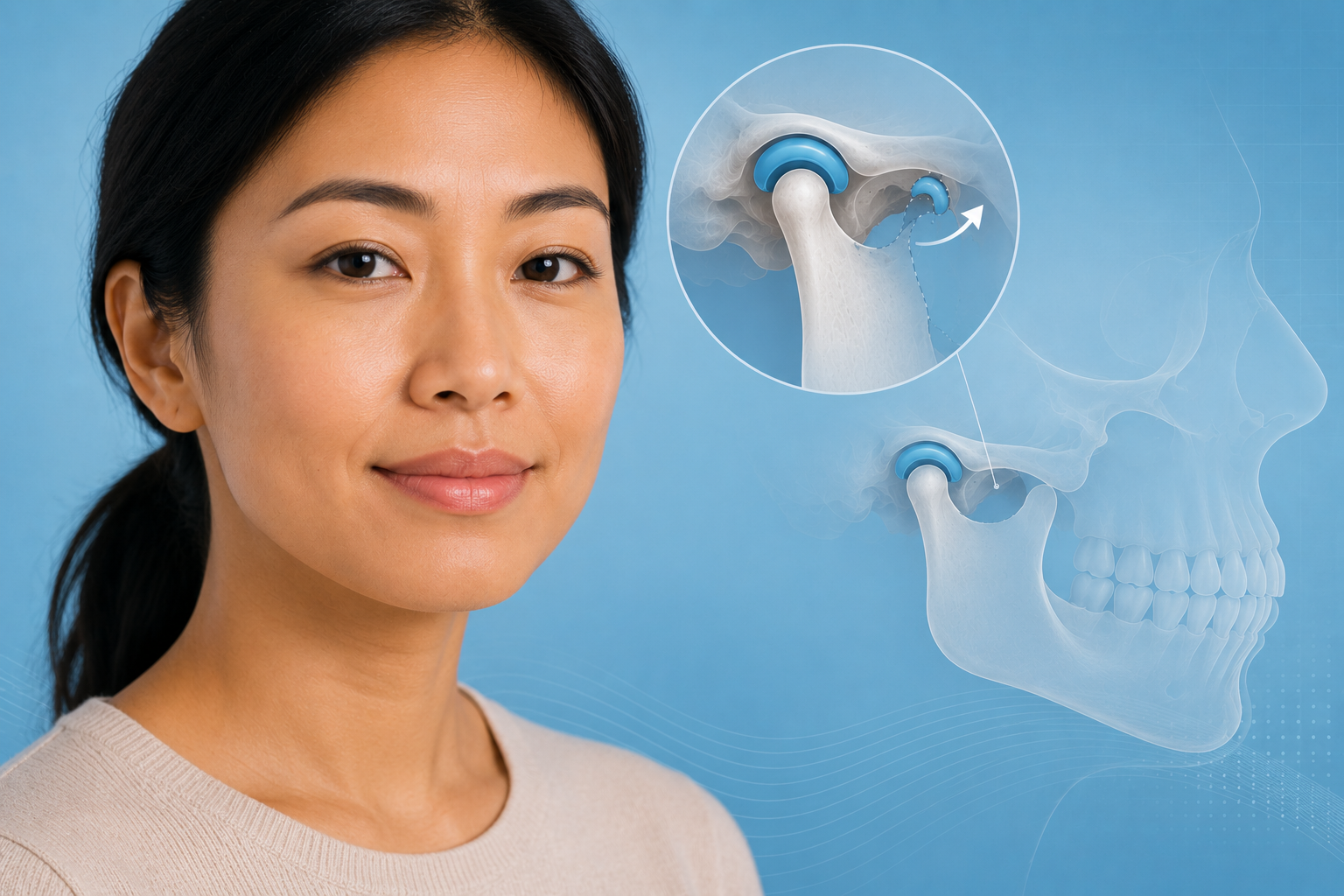
TMD problems can be of muscle origin, related to structural compromises in the temporomandibular joints or a combination of the two. Common problems include muscle guarding and soreness, spasm and tendonitis which are often associated with pain and jaw motion limitations. When the temporomandibular joints are compromised structurally, clicking and popping noises can emerge associated with disc interferences. Over time these problems can be associated with pain, limited jaw motion and at times the onset of arthritic changes
The Real Causes of Your Locked Jaw
So what’s actually causing your jaw to lock up? Let’s break down the most common culprits:
1. Trauma and Injuries
Did you know that trauma from a car accident, sports injury, or even a punch to the face can trigger TMD problems months or even years later? Your jaw joint might have been damaged in ways that weren’t immediately obvious but eventually lead to restricted movement.
2. Neck Problems
This might surprise you, but your neck and jaw are intimately connected. Injuries or chronic pain in your neck can gradually cause your jaw muscles to tighten up and restrict movement. This connection explains why people with whiplash often develop jaw problems later.
3. Little Everyday Habits
Do you:
- Chew gum regularly?
- Bite your nails or cuticles?
- Chew on pens or pencils?
- Clench your teeth during the day?
- Hold your phone between your shoulder and ear?
These seemingly innocent habits put tremendous strain on your jaw muscles and joints over time, potentially leading to that locked-up feeling.
4. Stress and Anxiety
When you’re stressed, where does that tension go? For many people, it heads straight to the jaw. The muscles tighten, sometimes without you even realizing it, creating a cycle where worrying about life stressors leads to jaw problems, which creates more stress!
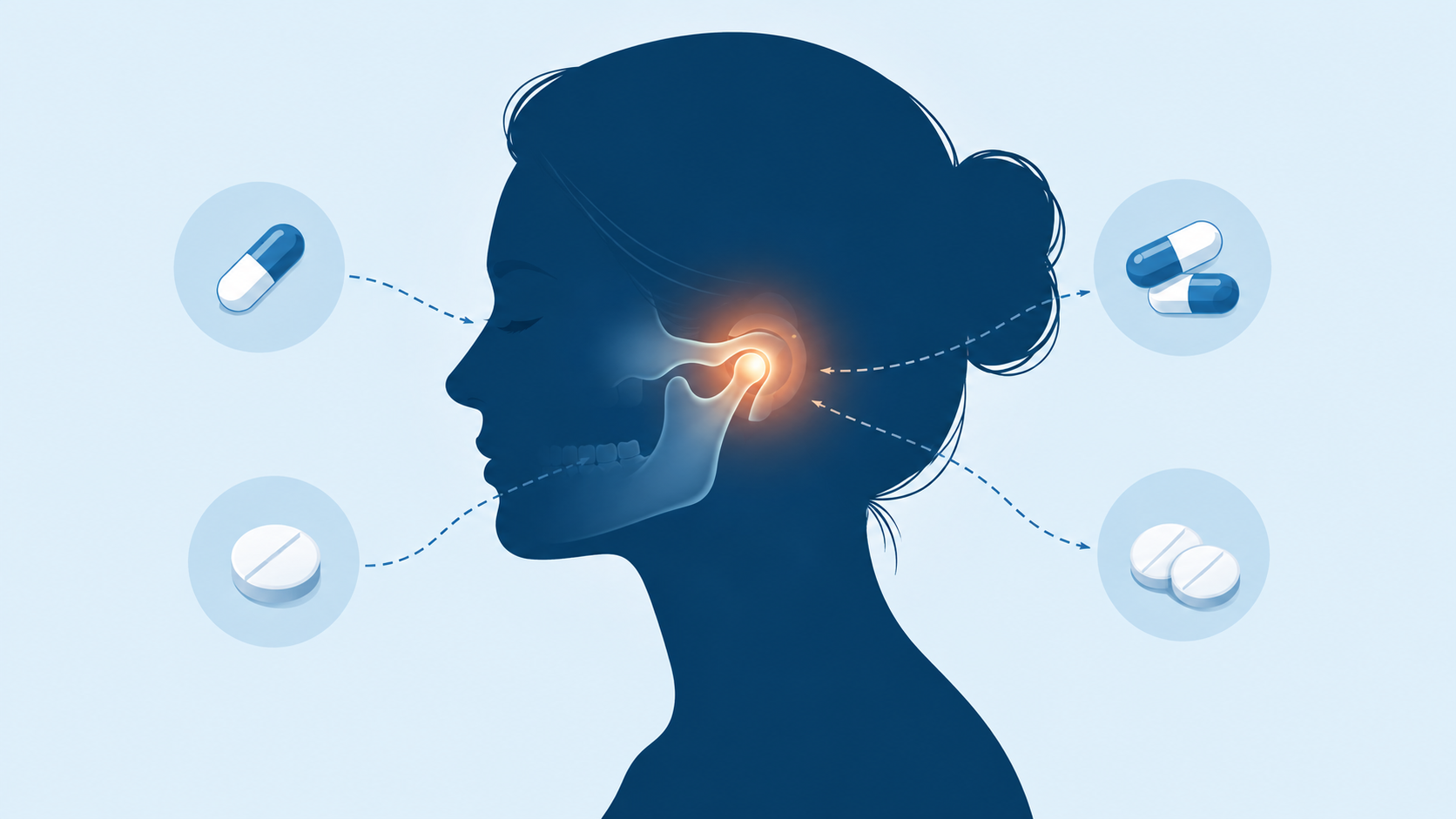
5. Medication Side Effects
This one surprises many patients: certain medications, particularly those prescribed for attention disorders (like Concerta®, Adderall®, and Ritalin®), can increase jaw muscle tension in some people. If your jaw problems started a few weeks or months after beginning one of these medications, there might be a connection.
6. Night-Time Teeth Grinding
Do you wake up with a sore jaw or headache? You might be grinding your teeth at night. This nighttime habit (called sleep bruxism) can exhaust your jaw muscles, leaving them too fatigued to work properly by morning.
7. Medical and Dental Conditions
Several medical and dental conditions can affect your ability to open your mouth normally:
- Arthritis in your jaw joints: Whether it’s osteoarthritis, rheumatoid, or psoriatic arthritis, inflammation in these joints can significantly limit jaw movement.
- Movement disorders: Conditions like dystonia that cause involuntary muscle contractions can affect your jaw and neck muscles.
- Medical treatments: Tumors in the head and neck area or side effects from radiation therapy can cause protective muscle tightening or ok scarring.
- Dental problems: An infected wisdom tooth or other dental infections can trigger muscle spasms that restrict jaw opening.
- Dental procedure complications: Sometimes after getting a dental injection, you might develop “post-injection trismus” – a temporary but severe limitation in jaw opening that can last 3-12 weeks before getting better on its own.
What Lockjaw Does to Your Daily Life
When your jaw doesn’t open properly, suddenly simple activities become challenging:
- Taking a bite of a sandwich or apple becomes painful or impossible
- Speaking clearly gets difficult
- Brushing and flossing your back teeth becomes a struggle
- Even yawning can cause pain
The impacts go beyond physical discomfort – many patients report feeling embarrassed or anxious about their condition, especially when eating in public or speaking in professional settings.
Orofacial Pain Specialists Understand What You’re Going Through
As an Orofacial Pain specialist, I’ve helped hundreds of patients overcome lockjaw and regain normal jaw function. Many arrive at our office after seeing multiple healthcare providers without finding relief.
For most patients, simply understanding what’s happening is the first step toward recovery. That moment when someone finally explains why your jaw is locking up – and confirms that you’re not imagining things – can be incredibly validating.
If you’ve been nodding along as you read this post, thinking “That’s exactly what I’m experiencing!” – it’s time to get help from someone who specializes in jaw disorders.
How to Get Help Now
You don’t have to live with a jaw that won’t open properly. Our team of board-certified orofacial pain specialists will thoroughly evaluate your condition, explain what’s happening in terms you can understand, and create a personalized treatment plan to get your jaw moving normally again.
We have four convenient office locations: Manhattan, White Plains, New Jersey, and Long Island. Don’t spend another day struggling with lockjaw. Contact us to book your appointment today.
(Note: if you don’t live in our area, find a specialist near you here.)



One reply on “When Your Jaw Locks Up: The Surprising Truth About Lockjaw”
Great read! Orthodontic care plays such an important role in maintaining a healthy and confident smile. I appreciate the helpful insights and tips shared in this post. Looking forward to more informative content!