BOTOX® is a drug made from the bacterial toxin botulin that is used medically to treat some muscular conditions and cosmetically to remove wrinkles by temporarily paralyzing facial muscles. While the cosmetic use of BOTOX® is widely known, not too many people know that it is also used in dentistry.
Using BOTOX® to make dental improvements
When BOTOX® is injected into a muscle, it attaches to the ends of the nerves that control the muscle. After a few days, the toxin works to block the transmission of the nerve signals that cause muscle contractions. The nerves affected by BOTOX® are connected to motor neurons, but the toxin does not affect the nerves connected to sensory neurons, which are the nerves needed to touch, feel pain and temperature. The nerves are blocked for three to four months before the BOTOX® wears off.
How is BOTOX® used in dentistry?
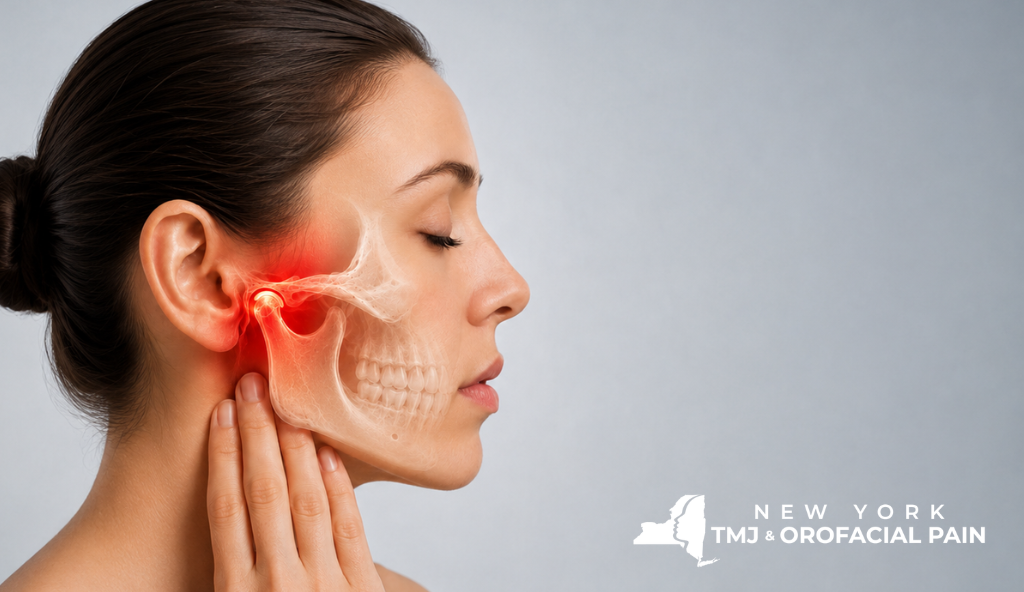
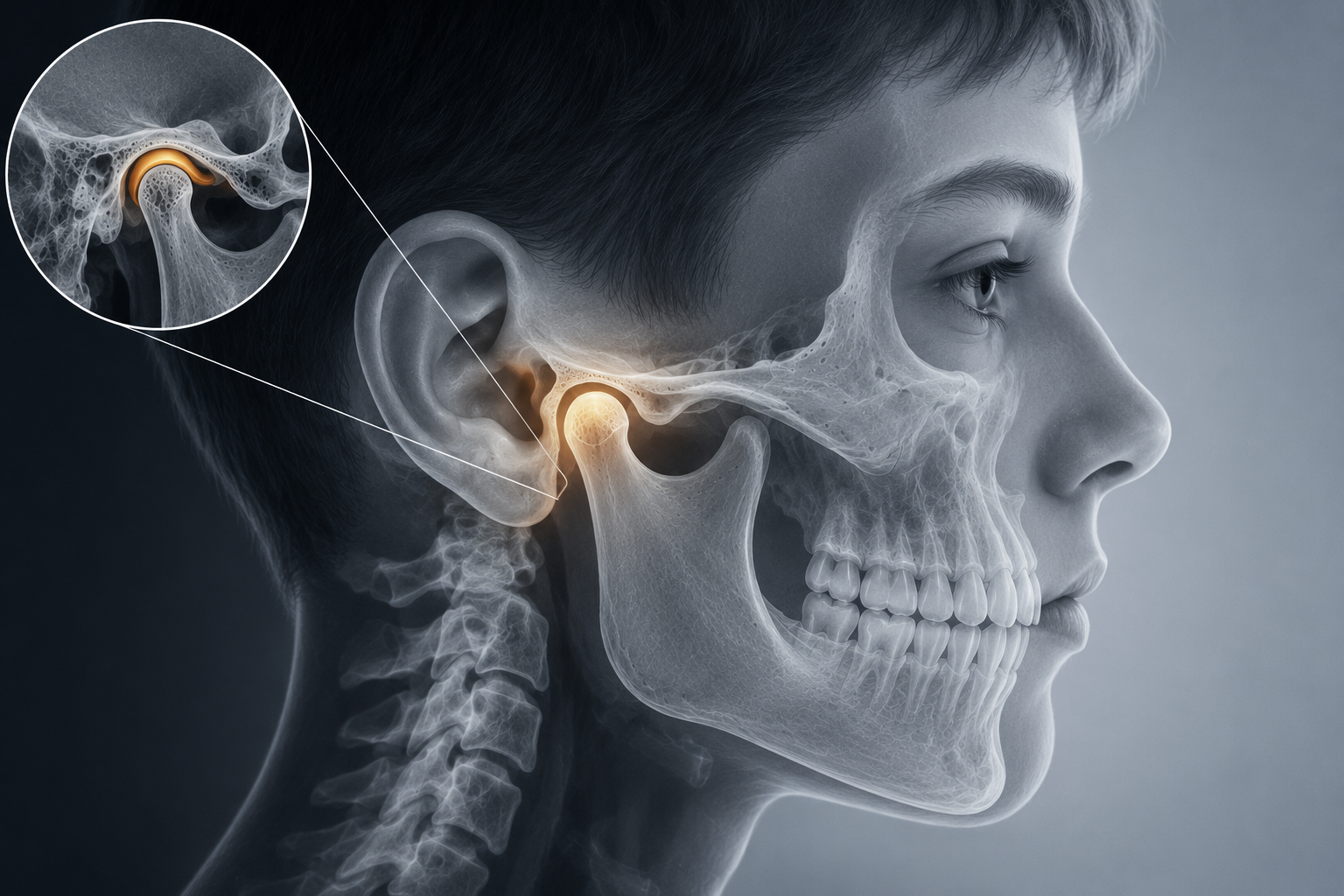
The use of BOTOX® in dentistry has become more popular in recent years, and research studies are being conducted to investigate its uses. According to the Journal of International Oral Health, BOTOX® has been used to correct lockjaw, Temporomandibular joint dysfunction, parafunctional clenching and the headaches that accompany them.
BOTOX® is often used in dental offices as part of a comprehensive treatment plan, but not as a stand-alone procedure. The dentists who use BOTOX® have to have received appropriate education and training prior to administering BOTOX®.
Before a patient undergoes BOTOX® treatment at their dentists, they should make sure that they understand the risks, benefits and costs by asking questions about their treatment plan and the use of BOTOX® to achieve their desired result.
Are there side effects associated with the use of BOTOX®?
Yes, according to the Food and Drug Administration, if BOTOX® is allowed to accidentally spread through the body, the toxin can cause muscle weakness, swallowing difficulties, dangerous breathing, as well as urinary incontinence. However, resistance to BOTOX® is possible over time if the patient has been given high doses of the toxin repeatedly.
When a patient has developed a tolerance for BOTOX®, a different form of the toxin may be needed to achieve the same results.
Can I get BOTOX® treatment at any dentist?
No, BOTOX® is offered by some dentists, but a lot of dentists do not offer treatment that includes the use of BOTOX®. If using BOTOX® to achieve a treatment goal is important to a patient, they can go online to search for a dentist that offers BOTOX® treatment. However, it is important that they make sure that the dentist is qualified to administer the toxin.
Even though the use of BOTOX® in dentistry still requires a lot of research and education for both the patient and dental health professional, there is a belief that it will become more common in the near future.
Conclusion
BOTOX® is known for its uses in cosmetic surgery, but it also has some dental benefits, which is why dentists have started administering it in their practices. If you are interested in learning more about how BOTOX® is used in dentistry, schedule an appointment with a dentist that provides the service to find out more.
If you or someone you know is experiencing persistent or acute pain in the face or jaw, we invite you to set up a consultation with one of our Orofacial Pain specialists in the NYC metropolitan area. Our office locations and contact information are below.