Finding out one’s sleep medicine treatment options is one of the first steps to take after receiving a sleep order diagnosis. Sleep disorders not only prevent one from getting enough sleep, but they also interfere with sleeping patterns, reducing quality sleep. Ongoing sleep deprivation can lead to physical and mental health problems.
Sleep deprivation
Learning about sleep medicine treatments is essential because when one is deprived of sleep, they may experience one or more physical and/or mental problems. Sleep deprivation can lead to one or more of the following problems: memory problems, mood changes, difficulty concentrating, high blood pressure, a weaker immune system, weight gain, a lower sex drive, poor coordination and a higher risk of being diagnosed with diabetes and heart disease.
According to Healthline, a good night’s sleep is incredibly important for your health. In fact, it’s just as important as eating healthy and exercising.
FAQs
The list below includes frequently asked questions that people have regarding the treatments available for addressing common sleep disorders.
What are popular treatments for sleep disorders?
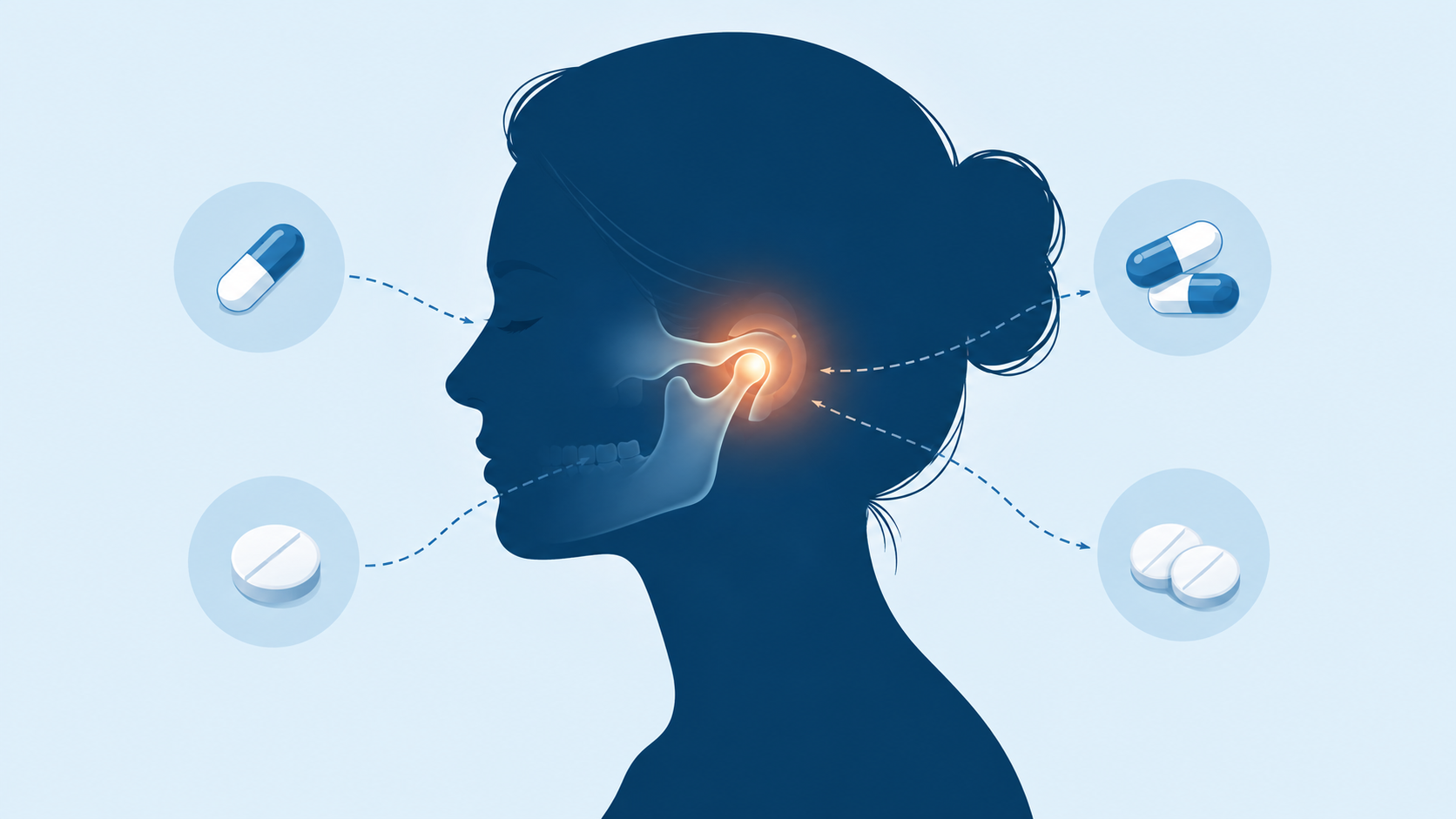
Commonly treatment options for addressing sleeping problems include using a CPAP machine, undergoing behavior modification therapy, taking certain types of prescribed medications and losing weight under the guidance of a professional. Surgery is the last option when other treatments have not proven to work.
How does CPAP treatment work?
CPAP is a sleep medicine treatment option that delivers a constant flow of air while someone is sleeping. The air is delivered through a tube attached to a mask that needs to be worn by the patient. The pressure of the airflow helps keep the airway open, allowing patients to breathe easier. The most common sleep disorder a CPAP machine treats is sleep apnea.
What are risk factors for getting a sleep disorder?
While anyone can be diagnosed with a sleep disorder, there are certain risk factors that one may have that can increase their chances of having a sleep disorder. These risks include but are not limited to being over the age of 40, being a woman, being overweight and being diagnosed with one or more medical problems, e.g., high blood pressure, depression, anxiety, etc. While some factors, like age, cannot be changed, other factors like losing weight can be addressed.
Got more questions?
The fact that sleep deprivation can lead to one experiencing physical and mental problems makes it essential for those diagnosed with a sleep disorder to find a treatment option that works for them.
If you or someone you know is experiencing persistent or acute pain in the face or jaw, we invite you to set up a consultation with one of our Orofacial Pain specialists in the NYC metropolitan area. Our office locations and contact information are below.